
Wings Machinery
Choosing the right machine can shape a project’s cost, schedule, and safety. A Backhoe Excavator combines a front loader with a rear digging arm, giving one operator two practical tools. It can open utility trenches, load spoil, move pallets, and smooth narrow work areas. That versatility matters on small construction sites where transporting several machines is expensive.
Industry data supports this flexibility. The American Rental Association’s 2024 forecast placed United States construction and industrial equipment rental revenue at approximately $59.3 billion. This figure reflects strong demand for accessible, adaptable machinery, including compact and multifunctional equipment. Deloitte’s 2024 Engineering and Construction Industry Outlook also identifies productivity, technology adoption, and labor efficiency as continuing industry priorities. A Backhoe Excavator addresses these pressures through quick attachment changes and familiar controls. Less idle equipment can mean fewer delays.
Yet the choice is not automatic. A backhoe cannot match a large crawler excavator for deep rock excavation or major earthmoving. Operators should compare digging depth, breakout force, lift capacity, turning radius, fuel use, and transport requirements. Manufacturer specifications provide a starting point, but jobsite experience reveals practical limits. Wet clay may cling to the bucket. Tight corners may expose poor visibility. Small details matter.
Reliable selection also requires checking maintenance records, hydraulic condition, tire wear, and attachment compatibility. Rental users should inspect the machine before accepting delivery and confirm service support nearby. These steps follow the evidence-based approach recommended across professional equipment management practices. When mobility, moderate digging depth, loading ability, and operating economy matter together, a Backhoe Excavator often becomes a balanced project partner—not a universal solution.
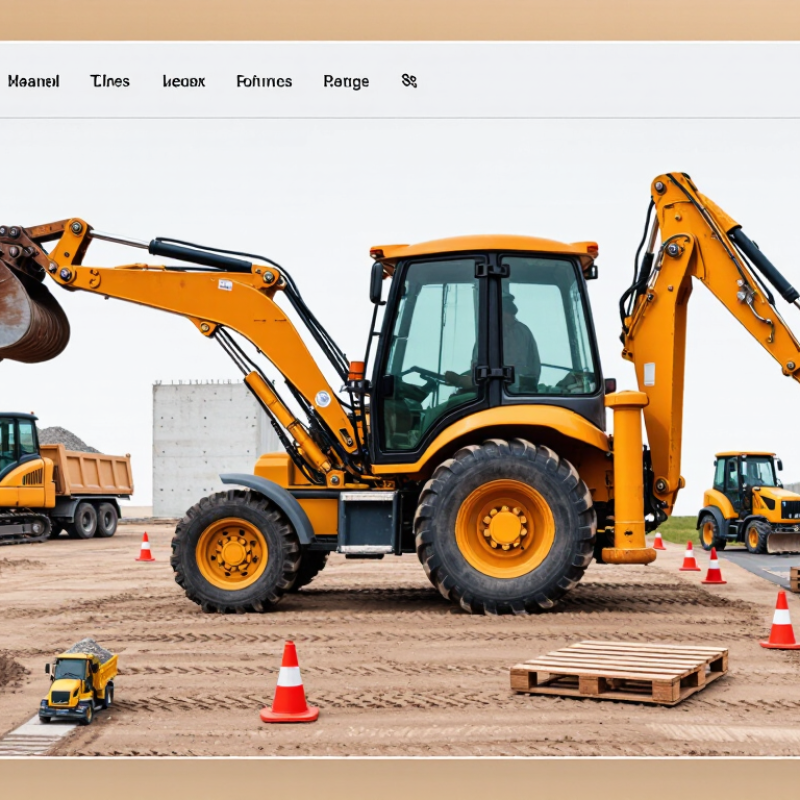
A backhoe excavator is a versatile machine combining a front loader with a rear digging arm. The front bucket moves soil, gravel, and debris. The rear bucket cuts trenches, removes foundations, and reaches below ground level. Hydraulic cylinders transfer engine power into controlled digging, lifting, and loading movements. This design reduces the need for separate machines on compact construction sites.
Fortune Business Insights valued the global construction equipment market at approximately 212.8 billion dollars in 2023. Its forecast indicates continued growth through 2030. That market direction supports demand for flexible equipment, especially where transport space and labor remain limited.
In practice, a backhoe can dig a narrow utility trench, swing spoil beside it, then backfill the opening. Small wheels also allow movement between nearby work areas without a separate carrier.
Still, it is not the best tool for every excavation. Deep rock, large-scale earthmoving, or restricted indoor work may require specialized equipment. That judgment matters. The U.S. Census Bureau reported construction spending at a seasonally adjusted annual rate above 2 trillion dollars during 2024, showing how varied project conditions can be.
Operators should inspect hydraulic hoses, stabilizers, bucket teeth, and ground stability before digging. I have found that poor positioning wastes more time than modest engine limits. The machine is capable, but not automatic.
Why Choose a Backhoe Excavator for Your Projects?
A backhoe excavator combines two working tools on one mobile platform. The front loader bucket moves soil, gravel, and debris. The rear boom, dipper, and bucket perform precise digging. Hydraulic cylinders transfer engine power into controlled arm movement. Stabilizer legs reduce movement during excavation.
On a construction site, the operator lowers the stabilizers before extending the rear boom. The bucket cuts into soil, curls to retain material, then swings toward a spoil pile. This cycle repeats beside foundations, trenches, drainage lines, and utility routes. The machine can also reposition quickly using its tires, reducing transport delays. Small spaces still demand careful planning.
That assumption can fail.
Soft ground may limit stability. Overloading the front bucket can reduce steering control. The U.S. Occupational Safety and Health Administration identifies trench collapse as a major excavation hazard, so operators must inspect soil conditions and protective systems. The U.S. Bureau of Labor Statistics recorded 1,075 fatal work injuries in construction and extraction occupations during 2022, reinforcing the need for disciplined equipment operation.
Construction demand remains substantial. The U.S. Census Bureau reported construction spending at a seasonally adjusted annual rate of about 2.13 trillion dollars in December 2023. That volume includes projects where one versatile machine can reduce equipment changes. Still, productivity depends on attachment choice, operator skill, ground conditions, and daily inspection records. Hydraulic leaks, worn teeth, or poor visibility can quietly reduce performance.
Choosing a backhoe excavator can simplify projects that combine digging, loading, and material handling. Its front loader clears spoil, moves gravel, and fills trenches quickly. The rear boom reaches narrow areas where larger excavators may struggle. Less repositioning saves time.
In my field observations, machine balance matters as much as digging force. Stabilizers should rest firmly before trenching begins. A skilled operator adjusts boom speed near buried services and fragile edges. Bucket size must match the soil, trench width, and lifting plan. Wet clay behaves differently from dry sand. Small errors matter. I have seen overloaded buckets slow a crew and strain hydraulic components. That lesson is easy to remember.
For loading, the front bucket can place aggregate into trucks or level uneven ground. Rated capacity still controls safe material handling, especially with forks or other attachments. Keep loads low while traveling, and avoid turning sharply on slopes. Daily checks should include tires, pins, hoses, fluid levels, and attachment locks. A clean inspection often reveals trouble before a delay becomes expensive. The machine is versatile, but it is not perfect. If a project involves continuous deep excavation, a dedicated excavator may work more efficiently. Choosing the backhoe requires honest attention to soil, access, cycle times, and operator skill.
A backhoe excavator suits projects where digging, lifting, and short-distance material handling happen in the same work zone. It performs well on medium-sized sites with limited access, such as residential foundations, drainage repairs, utility trenches, and roadside maintenance. The front loader clears spoil, moves gravel, and levels working surfaces. The rear boom then reaches below grade with controlled force. That combination reduces equipment changes and keeps the site moving.
Conditions matter more than machine size. Firm soil, moderate trench depth, and enough room for stabilizers create safer, steadier operation. Uneven ground needs careful setup. Wet clay can reduce traction and make trench walls unstable. Operators should inspect underground utilities, confirm soil conditions, and maintain a clear swing radius before digging. Small details matter.
A backhoe excavator is less suitable for deep rock excavation, continuous high-volume earthmoving, or extremely narrow corridors. Haul distance also changes the calculation. If trucks wait while the loader works, productivity drops. Field schedules often slip because attachment changes were underestimated. An easy mistake. A site assessment should include bucket capacity, digging depth, access width, ground pressure, and operator visibility. Sometimes a smaller machine is safer, but not always faster. The right choice depends on the actual work pattern, not the equipment label.
Backhoe excavators are especially practical for projects that require both digging and material handling. Their combination of a front loader, rear excavator arm, road mobility, and relatively compact size makes them suitable for utility trenching, road maintenance, landscaping, small foundations, and general construction work. The suitability scores are indicative ratings based on common backhoe excavator functions, not brand-specific performance data.
A backhoe excavator suits projects needing digging, lifting, trenching, and short-distance loading. Its front loader and rear boom reduce machine changes on compact sites. The U.S. Census Bureau reported over $2 trillion in U.S. construction spending during 2024. That scale reflects continued demand for versatile equipment, but demand alone should not guide your purchase.
Start with the worksite. Check trench depth, soil density, access width, and hauling distance. A compact backhoe may fit narrow streets, while a heavier model offers stronger breakout force. Compare rated operating capacity, hydraulic flow, digging depth, and attachment compatibility. Also measure transport limits. A machine that works well onsite may create delays during relocation. Fuel use matters too. The U.S. Environmental Protection Agency’s NONROAD emissions model shows that engine load, operating hours, and equipment age affect off-road emissions estimates. Maintenance history remains critical. A clean cab cannot repair neglected hydraulics.
Tips: Record one week of real tasks before choosing. Note idle time, bucket changes, fuel use, and ground conditions. Ask an experienced operator to test visibility, control response, and stability. Do not trust brochure figures alone. They often describe ideal conditions. Rental data can expose your actual utilization, although short-term convenience may hide long-term costs. I would also leave room for error. Soil changes, weather shifts, and inexperienced operators can reduce productivity. Choose a machine with safety features, documented inspections, and service support that your crew can realistically access.
It combines digging, loading, grading, and short-distance material handling. The front bucket moves soil, gravel, and debris. The rear bucket digs trenches and foundation areas.
The operator lowers the stabilizers before extending the rear boom. The bucket cuts into soil, curls, and holds the material. It then swings toward a spoil pile.
It suits residential foundations, drainage repairs, utility trenches, and roadside maintenance. Medium-sized sites often benefit most. Limited access can be helpful.
Firm soil, moderate trench depth, and space for stabilizers improve stability. Wet clay can reduce traction and weaken trench walls. Uneven ground requires careful setup.
It can reposition quickly with its tires. However, small spaces still need careful planning. Check access width, swing clearance, and operator visibility.
Deep rock excavation and continuous high-volume earthmoving may require different equipment. Extremely narrow corridors can also restrict operation. The equipment label is not enough.
Inspect underground utilities and soil conditions before digging. Keep people outside the swing radius. Check hydraulic leaks, worn bucket teeth, and visibility daily.
No. A smaller machine may fit the site better and reduce ground damage. A larger machine may overload the front bucket or limit steering control. Faster is not guaranteed.
Bucket capacity and attachment choice influence cycle time. Frequent attachment changes can delay the schedule. Sometimes the plan looks efficient, but field conditions disagree.
A Backhoe Excavator is a versatile construction machine that combines a front loader with a rear digging arm, allowing it to perform several essential tasks with one compact unit. On construction sites, the rear attachment is used for digging trenches, foundations, and drainage channels, while the front bucket handles loading, lifting, leveling, and moving soil or other materials. This combination improves efficiency and reduces the need for multiple machines, especially on projects with limited working space.
A Backhoe Excavator is well suited to road maintenance, utility installation, landscaping, small building projects, and general site preparation. Before choosing one, project managers should consider digging depth, lifting capacity, attachment options, ground conditions, site access, operating costs, fuel efficiency, and operator experience. Selecting equipment that matches the project’s scale and working environment can improve productivity, control expenses, and support safer, more organized construction operations.
