
Wings Machinery
Wheeled diggers are essential machines in construction. They enhance efficiency and productivity on various projects. These machines strike a balance between mobility and power.
When choosing a wheeled digger, factors like size, horsepower, and versatility come into play. Different projects require different specifications. For instance, a compact wheeled digger may be perfect for urban construction sites. However, larger models shine in extensive landscaping or roadwork tasks.
The top wheeled diggers stand out not only for their performance but also their reliability. While many options exist, each has unique features worth examining. It's important to consider that the best choice may vary based on specific project requirements. Think about what suits your needs best. Choosing wisely can lead to smoother operations and better results.
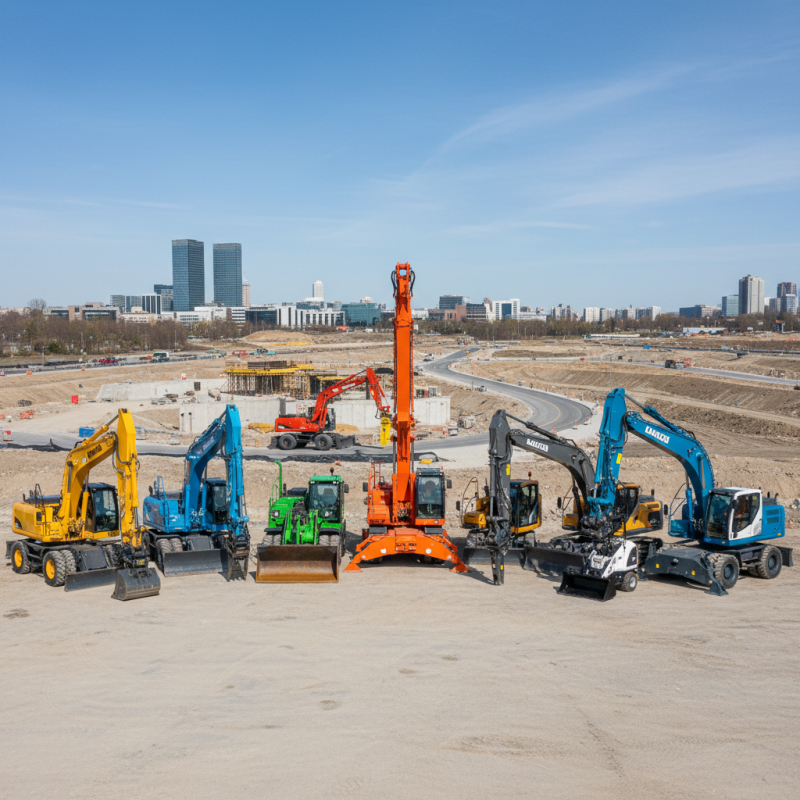
Wheeled diggers are becoming essential tools in modern construction. Their mobility allows for quick movement across various terrains. Unlike traditional tracked excavators, they offer greater speed and flexibility on-site. This can lead to improved productivity and efficiency during construction projects. For instance, in urban areas, wheeled diggers can navigate narrower spaces and get to hard-to-reach locations.
Many construction professionals appreciate the versatility of wheeled diggers. They are suitable for tasks like digging, lifting, and transporting materials. The ability to switch attachments enhances their functionality. This can help in reducing project timelines by minimizing the need for multiple machines. However, selecting the right model requires careful consideration. Not all wheeled diggers will suit every project type or site condition.
There are trade-offs to think about. While wheeled diggers excel in mobility, they may not perform as well in soft or uneven ground conditions. Their stability can be a concern when compared to tracked models. Also, maintenance demands can vary between machines. Understanding these factors is crucial. Each construction project is unique, and so are its equipment needs. Keeping this in mind can lead to better decision-making.
| Model | Operating Weight (kg) | Engine Power (HP) | Max Digging Depth (m) | Bucket Capacity (m³) | Wheel Configuration |
|---|---|---|---|---|---|
| Model A | 8000 | 100 | 5.0 | 0.50 | 4x4 |
| Model B | 9500 | 120 | 5.5 | 0.60 | 6x6 |
| Model C | 7000 | 90 | 4.8 | 0.45 | 4x4 |
| Model D | 8300 | 110 | 5.2 | 0.55 | 4x4 |
| Model E | 9100 | 130 | 6.0 | 0.65 | 6x6 |
| Model F | 8600 | 105 | 5.3 | 0.52 | 4x4 |
| Model G | 7800 | 95 | 5.0 | 0.48 | 4x4 |
| Model H | 9100 | 125 | 5.6 | 0.70 | 6x6 |
| Model I | 7500 | 85 | 4.7 | 0.43 | 4x4 |
| Model J | 8800 | 115 | 5.4 | 0.57 | 4x4 |
When selecting wheeled diggers for construction projects, several key features demand attention. One primary factor is the digger's operating weight. Heavier machines offer stability and power for tough tasks. Conversely, lighter models can provide versatility in urban environments. Evaluating the right weight is essential for optimal performance.
Another critical aspect is the digger's fuel efficiency. Modern engines can significantly reduce operating costs. It's worthwhile to assess the fuel consumption rates compared to traditional models. Users may notice discrepancies in performance and expenditure. Additionally, the digger’s turning radius impacts maneuverability. A tighter turning radius can enhance efficiency in confined spaces.
Consider the ease of maintenance too. Routine checks and part replacements should be straightforward. Machines with complex systems may lead to downtime. Evaluate user reviews for insights into long-term reliability. Each feature plays a role in overall performance. Reflecting on these considerations can lead to better-informed decisions. The choices you make should align with your specific project needs.
When it comes to wheeled diggers, specifications and performance play a crucial role in selecting the right machine for construction projects. These machines offer remarkable versatility with their ability to operate on various terrains. Powerful engines drive their hydraulic systems, providing impressive lifting capacities and digging depths. Operators can select models based on the specific needs of their projects, whether for urban construction or rural landscaping.
Many wheeled diggers feature advanced technology for improved efficiency. Digital displays and automated systems help monitor performance in real-time. However, not all models deliver the expected results. Some may lack power in challenging conditions, leading to frustration. Users often report issues with maneuverability on narrow sites, which can complicate operations.
In terms of maintenance, accessibility is key. Many machines require regular checks, yet some designs make this harder than it should be. Users appreciate clear instruction manuals, but even those can sometimes miss crucial details. Finding a balance between performance and reliability can be challenging, as not every model excels in both areas. It’s essential for operators to reflect on their experiences to choose wisely.
When it comes to wheeled diggers, various brands offer unique features that cater to diverse construction needs. Evaluating these brands can be overwhelming. Key considerations include engine power, turning radius, and operational efficiency. Operators often prioritize machine versatility for different tasks on site, which can enhance productivity.
Tips: Regular maintenance is critical. Check fluid levels before operation. Ensure the tires are in good condition, as they affect mobility and stability.
Many popular brands emphasize user-friendly controls, which can minimize training time. Some machines are designed for tight spaces, while others excel in open areas. Balancing performance with ease of use can sometimes be tricky. Operators may need to adapt to different configurations, which can be a learning curve.
Tips: Familiarize yourself with the specific model’s controls. Completing a trial run can highlight any quirks in operation.
While many wheeled diggers boast impressive specs, it's essential to consider real-world performance. Assessing user reviews can provide insights into durability and operational challenges. Some machines may require frequent repairs, affecting project timelines. Choosing the right wheeled digger is a significant decision, one that can shape project outcomes.
Maintaining wheeled diggers is essential for efficient construction operations. Regular inspection of hydraulic systems is critical. Look for leaks and damaged hoses. These issues can lead to downtime. Dust and debris can accumulate in filters. Clean or replace them often. A clean filter ensures optimal performance and longevity of the machinery.
Tire condition also plays a significant role in efficiency. Worn tires can reduce traction and increase fuel consumption. Inspect for cracks or wear regularly. Proper tire pressure is crucial as well. Under-inflated tires can impact handling and safety. Regular calibration of the digger’s hydraulic controls can enhance performance too. Adjusting them ensures the machine operates smoothly.
Operator training is just as important. An experienced operator is less likely to make costly mistakes. They can identify potential issues early on. This proactive approach helps prevent larger problems later. Reflection on maintenance practices can lead to overall improvements. Are there areas where efficiency can be enhanced? Finding answers to these questions can increase productivity on every project.
This chart illustrates the operational efficiency percentages of the top 10 wheeled diggers. Efficiency is a crucial factor in construction projects, impacting productivity and overall project timelines.
: Wheeled diggers are versatile machines for tasks like digging, lifting, and transporting materials.
They offer greater speed and mobility, especially in narrower urban spaces.
Consider project type, site conditions, and machine specifications for optimal performance.
Yes, they may struggle in soft or uneven ground and have stability concerns compared to tracked models.
Regular maintenance, like checking hydraulic systems and filters, is crucial for efficiency and avoiding downtime.
Trained operators can identify issues early, enhancing efficiency and preventing costly mistakes.
Inspect tire condition, maintain proper pressure, and regularly calibrate hydraulic controls for peak performance.
Yes, features like digital displays can help monitor performance, but not all models deliver consistent results.
Worn or improperly inflated tires can reduce traction and increase fuel consumption significantly.
Maneuverability issues on narrow sites and power deficits in challenging conditions can lead to operational complications.
Wheeled diggers play a crucial role in modern construction projects, offering versatility and mobility for a range of excavation tasks. When selecting an appropriate wheeled digger, key features such as power, digging depth, and maneuverability should be considered to ensure optimal performance. The article highlights the top 10 wheeled diggers, examining their specifications and efficiency to help construction professionals make informed decisions.
Additionally, a comparison of popular wheeled digger brands provides insights into performance differences, allowing users to choose models that best meet their operational needs. To maintain the efficiency of wheeled diggers, regular maintenance tips are shared, ensuring longevity and reliability in demanding construction environments. Overall, understanding these aspects is essential for maximizing the effectiveness of wheeled diggers in construction projects.