
Wings Machinery Wings Machinery

Top 5 Side Load Forklift Tips for Efficient Loading and Safety?

Time:2026-05-05 Author:Charlotte
0%

In the world of logistics, efficiency is key. Side load forklifts are essential for navigating narrow aisles and handling long loads. Industry expert John Smith, a veteran in forklift operation, emphasizes, "Mastering side load forklift skills is crucial for safety and productivity."

Effective loading with a side load forklift requires strategy. Operators must learn the nuances of weight distribution for stability. Proper techniques prevent accidents and enhance workflow. Each load presents unique challenges that demand expertise. Small mistakes can lead to significant setbacks.

Furthermore, safety protocols cannot be overlooked. Regular training ensures operators remain sharp. John Smith notes the importance of ongoing education, stating, "Knowledge is safety’s best ally." As businesses strive for efficiency, focusing on these key aspects can lead to better performance. Balancing efficiency with safety is essential in utilizing side load forklifts effectively.
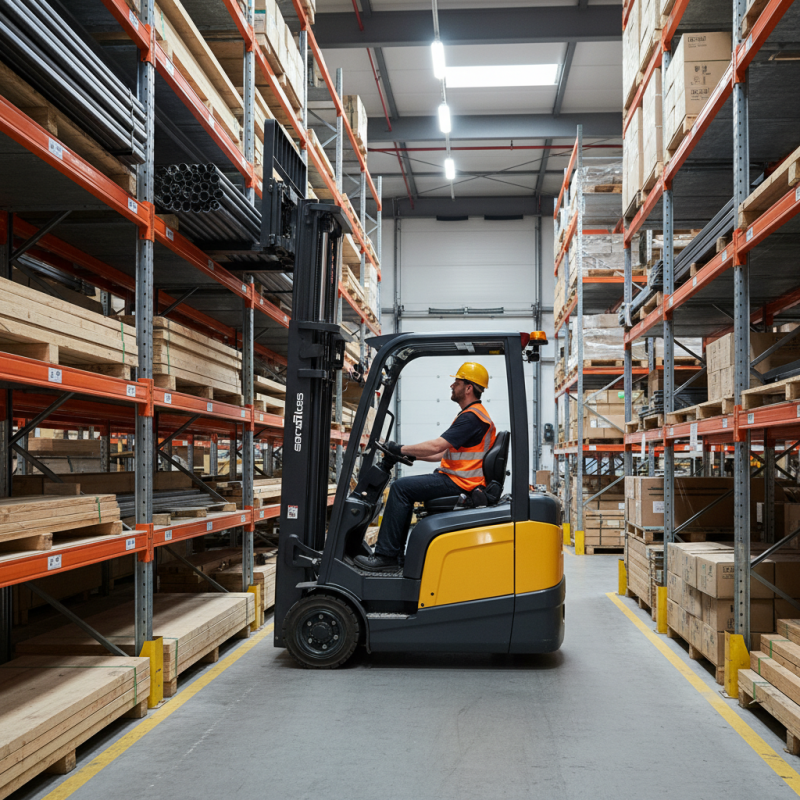
Top 5 Side Load Forklift Tips for Efficient Loading and Safety?

Top 5 Side Load Forklift Tips for Efficient Loading and Safety

When using a side-load forklift, safety and efficiency are paramount. Effective loading starts with a clear plan. Knowing the weight and dimensions of your cargo is essential. Always ensure the load is centered on the forks. An uneven load can cause tipping, leading to accidents. Maintain a low center of gravity for better balance while transporting items.

Training employees is crucial. They should understand how to operate the forklift correctly. Encourage them to visualize the loading area. Obstructions can be hard to see, creating hazards. Regular safety audits can identify potential issues before accidents occur. Keep communication open; drivers need to signal when moving around tight spaces.

Proper maintenance of the forklift is often overlooked. Regular checks can help prevent failures and improve efficiency. Ensure the forks are in good condition. Damaged forks can compromise load stability. Also, encourage your team to reflect on their practices. Are they following safety protocols effectively? Self-assessment can significantly enhance workplace safety.

Understanding the Mechanism of Side Load Forklifts and Their Benefits

Side load forklifts are designed for efficient loading and unloading, especially in narrow aisles. Their unique mechanism allows for side-facing entry, making them ideal for handling long loads like lumber or piping. This design increases maneuverability in tight spaces. However, understanding the machine's operation is vital for safety.

When using a side load forklift, always ensure your load is well-balanced. An unbalanced load can lead to accidents. It's crucial to check the load's positioning before moving. Proper placement minimizes the risk of tipping or dropping items. Keep the forks at the right height during transport to maintain stability and visibility.

Another tip is to remain aware of your surroundings. Side load forklifts offer limited visibility, so be cautious when turning. Use mirrors or have a teammate assist in blind spots. Regular training on equipment usage enhances safety and builds confidence. Practicing these tips helps prevent incidents and promotes a safer work environment.

Top 5 Side Load Forklift Tips for Efficient Loading and Safety

This chart displays the importance level of the top five tips for using side load forklifts efficiently and safely. Each tip is rated on a scale from 1 to 10, reflecting its significance in ensuring proper loading practices and operational safety.

Proper Weight Distribution: Ensuring Stability During Lifting Operations

Proper weight distribution is pivotal for safety during lifting operations. When using side load forklifts, understanding the load center and handling is essential. An uneven weight distribution can lead to tipping. It is vital to assess the weight of the load before lifting. Misjudging weight can lead to accidents and damages.

Operators should always check the capacity of their forklift. Overloading can compromise stability severely. Secure the load if necessary. Each item should be placed correctly, with heavier items lower and central. This helps maintain a lower center of gravity.

Regular training on weight distribution is important. Even experienced operators can overlook details. Mistakes can happen. Reviewing loading techniques and best practices should be routine. Practical knowledge from experienced peers can enhance awareness. The emphasis should always be on creating a safe working environment.

Safety Protocols for Operating Side Load Forklifts in Tight Spaces

Operating side load forklifts in tight spaces requires strict adherence to safety protocols. One crucial aspect is ensuring a clear line of sight. Operators should constantly check their surroundings to avoid obstacles. Blind spots can lead to accidents, which may cause injuries or damage.

Another key safety measure is the use of safety equipment. Wearing hard hats and high-visibility vests makes operators more noticeable. Additionally, using horns and lights effectively warns others in the vicinity. It's important to communicate with team members regularly. Hand signals can be effective even in noisy environments.

Training is essential, but real-world experience varies. Some operators may overestimate their abilities in confined areas. Practicing maneuvering in tight spots can help enhance skills. Regular assessments of the workspace can also improve safety and efficiency. Operators should reflect on their practices and learn from near-misses to continuously improve.

Load Handling Techniques to Minimize Risk of Accidents and Damage

Loading and unloading with side load forklifts can be hazardous. Employing proper load handling techniques is crucial for minimizing risks. One key practice is keeping loads as low as possible. This lowers the center of gravity and reduces the chance of tipping over. It’s essential to regularly train operators on safe handling as techniques can vary.

Use proper lifting practices. Ensure the load is balanced and secure before moving. It’s advisable to check for any obstructions in the path. Planning the route can help avoid last-minute maneuvers. Even experienced operators can benefit from occasional reminders about safety protocols. A moment of reflection can prevent accidents.

Communication is vital in busy environments. Clearly signaling intentions to coworkers fosters a safe atmosphere. Encourage team members to be aware of their surroundings. Sometimes, despite precautions, incidents happen. Acknowledging this can lead to a culture of learning and improvement. Regularly review safety policies and practices to enhance overall efficiency.

Top 5 Side Load Forklift Tips for Efficient Loading and Safety

Tip Description Safety Measure Efficiency Gain
1. Regular Maintenance Ensure the forklift is in good working order by scheduling routine checks. Prevents mechanical failures during operation. Reduces downtime and increases reliability.
2. Proper Load Management Understand load limits and balance distribution before lifting. Minimizes the risk of tipping over. Enhances lifting efficiency and speed.
3. Clear Work Area Keep pathways and loading zones free of obstacles. Reduces the chances of accidents. Improves overall productivity as less time is wasted.
4. Operator Training Invest in comprehensive training for all operators. Increases safety awareness and handling skills. Enhances operational efficiency and minimizes errors.
5. Use of Spotters Employ ground spotters during complex maneuvers. Assists in avoiding blind spots and obstacles. Facilitates faster and safer loading operations.

Regular Maintenance Checks: Maximizing Lifespan and Performance of Forklifts

Regular maintenance checks are essential for maximizing the lifespan and performance of side load forklifts. Neglecting routine inspections can lead to costly repairs and potential safety hazards. It's not just about keeping the equipment running; it’s about ensuring a safe work environment.

Inspecting hydraulic systems and brakes is crucial. Look for leaks or unusual sounds. These signs can indicate underlying issues. Tire condition is also vital. Worn tires can affect stability and load handling, leading to accidents. Operators should perform daily checks before using the forklift. Simple practices can prevent major problems later.

Monitoring battery levels and connections keeps equipment reliable. Corrosion on battery terminals can lead to power loss. It's a small detail, but it matters. Remember, maintenance isn’t just a checklist; it requires active engagement and critical thinking. They are not mere tasks but essential steps in operational safety and efficiency. Regular maintenance habits can save time and resources. Always reflect on your maintenance practices. Improvement is an ongoing process.

FAQS

: Why is proper weight distribution important during lifting operations?

: Proper weight distribution ensures stability and prevents tipping during lifting. It enhances safety in operations.

How can improper weight distribution lead to accidents?

Uneven weight can make forklifts unstable. Misjudgment of load weight may cause tipping over.

What should operators check before lifting a load?

Operators must assess load weight and check forklift capacity to avoid overloading.

How should loads be positioned for safe lifting?

Heavier items should be placed lower and centrally. This helps maintain a lower center of gravity.

What is the role of regular training in lifting operations?

Regular training keeps operators aware of best practices. Even experienced workers can forget critical details.

What should be included in regular maintenance checks?

Inspecting hydraulic systems, brakes, and tire conditions is crucial for safe operations and equipment longevity.

How can worn tires affect forklift operations?

Worn tires can compromise stability and load handling, increasing the risk of accidents during use.

What happens if battery maintenance is neglected?

Corrosion on battery terminals can cause power loss. Regular checks prevent reliability issues.

How should operators approach maintenance tasks?

Maintenance should involve active engagement and critical thinking, not just a checklist mentality.

Why reflect on maintenance practices?

Reflection on maintenance processes can identify areas for improvement, enhancing safety and efficiency.

Conclusion

The article "Top 5 Side Load Forklift Tips for Efficient Loading and Safety" highlights essential practices for effectively utilizing side load forklifts while ensuring safety. It begins by explaining the mechanism of side load forklifts and their advantages in specific operational settings, particularly in tight spaces. Proper weight distribution is emphasized as critical for maintaining stability during lifting operations, which helps prevent accidents.

Additionally, the article outlines vital safety protocols that operators should follow, including load handling techniques that reduce the risk of incidents and damage. Regular maintenance checks are also discussed as a means to maximize the lifespan and performance of side load forklifts, highlighting the importance of keeping equipment in optimal condition for safe operation. Through these tips, operators can enhance loading efficiency while prioritizing safety in their work environment.

Charlotte

Charlotte

Charlotte is a seasoned marketing professional with a deep understanding of the company's portfolio and a passion for elevating its presence in the market. With a keen eye for detail and a commitment to excellence, she ensures that our professional blog is regularly updated with insightful articles......