
Wings Machinery
In hazardous industrial environments, safety is paramount. Explosion proof forklifts are essential for maintaining security in areas with flammable materials. Dr. Emily Carter, an expert in industrial safety, states, “Choosing the right equipment can save lives and prevent costly accidents.”
These specialized forklifts are designed to operate safely in environments where explosions may occur. Their construction features reinforced materials and sensitive ignition systems. Industries like oil and gas, chemical manufacturing, and mines rely on explosion proof forklifts for daily operations. However, not all models are created equal.
While many options exist, selecting the ideal explosion proof forklift requires careful consideration. Each setting presents unique challenges. Some may lack the necessary features, leading to potential hazards. It is crucial to evaluate each forklift's specifications against the specific risks of the workplace. Investing in quality equipment reflects a commitment to safety, but careful research is essential.
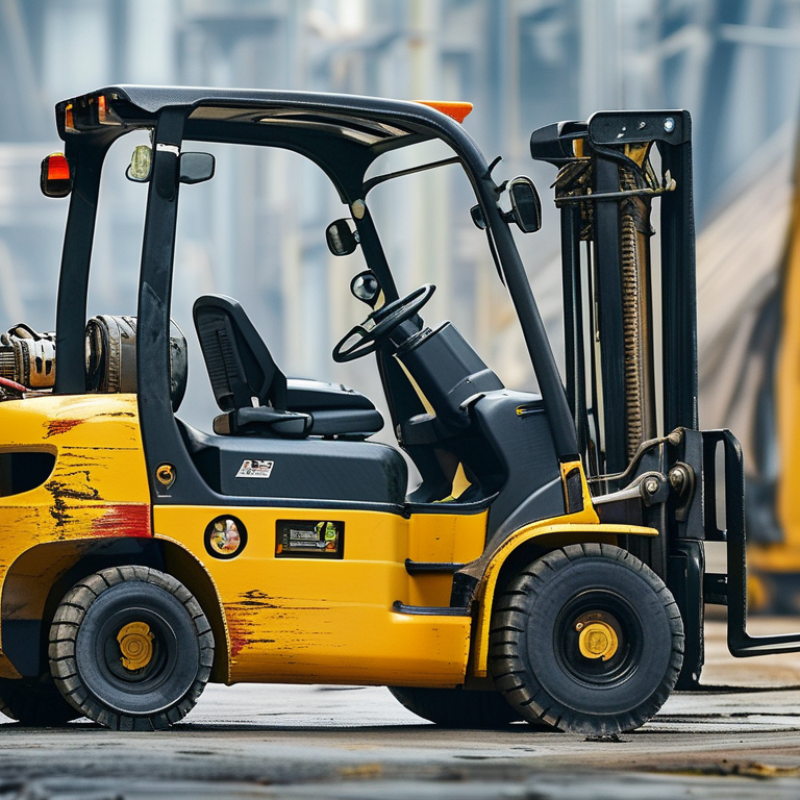
Explosion-proof forklifts play a crucial role in industries where flammable materials are present. They are designed with specialized features to prevent ignition. These forklifts often include sealed electrical components and a rugged construction that reduces the risk of sparks. Every detail matters, as even a small flaw can lead to catastrophic failures.
Safety is the primary benefit of explosion-proof forklifts. Operators can work confidently, knowing that their equipment minimizes hazards. Additionally, these forklifts often have enhanced durability. This quality can lead to lower maintenance costs and reduced downtime. While none of this equipment can guarantee absolute safety, choosing the right type can significantly lower risks.
Understanding the technical aspects can be a challenge. The regulations around explosion protection can also be confusing. It’s essential to prioritize qualified training for operators. Many companies overlook this, leading to dangerous situations. It’s a reminder that even the best equipment is only as good as the people who operate it. Regular inspections and adherence to safety protocols are necessary for optimal performance.
When selecting explosion-proof forklifts, safety is the paramount concern. The environment in which these machines operate often contains flammable substances. Understanding the specific hazards of your workplace is critical. Assess the potential for gas leaks, dust, or vapors that could ignite. This will help you determine the necessary safety features.
Another important aspect is the forklift's construction. Look for models built with specialized materials. They should have sealed components to prevent sparks. The design must also allow for easy cleaning to remove any hazardous residues.
Operators must be trained thoroughly. Even the safest machines require skilled hands. They should know how to handle these forklifts effectively in dangerous environments. Regular maintenance checks are also vital. Without them, even the best models can fail. A proactive approach can save lives and resources.
In industrial environments, safety is paramount. Explosion-proof forklifts play a crucial role in ensuring safe operations, especially in hazardous areas. The Occupational Safety and Health Administration (OSHA) reported that improper material handling accounts for approximately 25% of all workplace injuries. This statistic underscores the importance of selecting the right equipment.
A reliable explosion-proof forklift must meet specific safety standards outlined in the National Fire Protection Association (NFPA) guidelines. Such forklifts are designed to operate in environments prone to flammable gases and dust. The unique features of these forklifts mitigate the risks of ignition while handling materials. For instance, they often contain specialized electrical components that prevent spark generation.
However, users must remain aware of limitations. Maintenance is critical for ensuring safety. Neglecting regular checks can lead to hazardous conditions. Moreover, operators should receive proper training to understand the equipment's functionalities. Some may overlook this essential aspect, mistakenly assuming that familiarity with standard forklifts applies here as well. Safety should always be the top priority in any operational setting.
| Model | Load Capacity (lbs) | Lift Height (ft) | Power Source | Weight (lbs) |
|---|---|---|---|---|
| Forklift A | 5000 | 15 | Electric | 8000 |
| Forklift B | 6000 | 12 | Propane | 9000 |
| Forklift C | 7000 | 18 | Electric | 11000 |
| Forklift D | 8000 | 20 | Diesel | 12000 |
| Forklift E | 6500 | 14 | Electric | 9500 |
| Forklift F | 7500 | 16 | Propane | 10200 |
| Forklift G | 5500 | 13 | Electric | 8700 |
| Forklift H | 6300 | 17 | Diesel | 11500 |
| Forklift I | 7200 | 19 | Propane | 9800 |
| Forklift J | 5000 | 15 | Electric | 8300 |
When analyzing explosion-proof forklifts, safety features take center stage. These vehicles operate in environments with hazardous materials. Ensuring operator safety is paramount. Key design elements include reinforced frames and sealed components. This prevents ignition and minimizes risk in sensitive areas.
Additionally, performance characteristics vary across models. Some forklifts excel in load capacity while others prioritize agility. Depending on the industrial application, one might choose a model with enhanced maneuverability. Weight distribution and stability are critical for safe operation in tight spaces.
Despite advancements, challenges remain. Maintenance can be complex; operators must be vigilant about inspections. Regular checks on electrical systems help prevent failures. Thorough training enhances safety further but may require ongoing investment. Industry standards evolve, prompting users to stay informed. The dynamic nature of the market means that continuous learning is necessary for safe and efficient operation.
When operating explosion-proof forklifts, safety should be a top priority. Regular maintenance is crucial. Always check the battery and wiring for signs of wear.
Inspect hydraulic systems for leaks and ensure they operate smoothly. A small oversight can lead to significant safety risks.
Training is also essential. Operators must understand the specific features of explosion-proof forklifts. They should recognize the unique risks in their environment. This includes potential ignition sources.
Clear communication among team members is vital. If someone notices a problem, they must report it immediately.
Additionally, proper storage and handling of materials can help prevent accidents. Keep the work area tidy to reduce hazards. Regular safety drills can prepare operators for emergencies.
Reflecting on past incidents can lead to better prevention strategies. Safety is an ongoing effort that requires constant awareness and vigilance.
: They are designed for industries handling flammable materials, minimizing ignition risks.
Sealed electrical components reduce the risk of sparks during operation.
Rugged construction decreases the chance of damage that could cause ignition.
Proper training helps operators understand the specialized features and safety protocols.
Neglecting maintenance can create hazardous conditions and increase accident risks.
No. While they significantly lower risks, no equipment can guarantee absolute safety.
Regular inspections and adherence to safety protocols are essential for performance.
Improper material handling accounts for about 25% of all workplace injuries.
Users shouldn’t assume that familiarity guarantees competence with specialized forklifts.
Overlooking training and maintenance can lead to dangerous situations.
Explosion Proof Forklifts are essential in environments where flammable materials are present, ensuring safe operations while minimizing the risk of ignition. Understanding their key features, such as enhanced insulation and spark-proof components, is vital for industries that require stringent safety measures. When selecting the best models, factors like load capacity, mobility, and certification standards should be prioritized.
The article highlights a curated list of the top 10 explosion-proof forklifts, emphasizing their performance and safety capabilities. A comparative analysis of leading models provides insights into their specifications and applicability across various industrial settings. Additionally, the article offers practical maintenance and safety tips to help users maximize the efficiency and reliability of their explosion-proof forklifts, ultimately fostering a safer workplace.
