
Wings Machinery Wings Machinery

What is a Mobile Excavator and How to Choose One?

Time:2026-06-04 Author:Sienna
0%

The mobile excavator is a versatile machine essential for various construction tasks. According to a recent study by the International Construction Machinery Association, the market for mobile excavators is expected to grow by 6% annually through 2027. This growth highlights the rising demand for efficient excavation solutions. As Mark Thompson, a renowned expert in heavy machinery, states, “The evolution of mobile excavators has changed how we approach construction sites.”

Choosing the right mobile excavator can be challenging. Factors like size, reach, and power are crucial. Additionally, understanding the specific job requirements will guide your selection. For instance, a compact excavator may be ideal for urban projects, while larger models excel in open areas. Reports indicate that operators often struggle with finding equipment that balances power and mobility.

As the industry evolves, so do the features of mobile excavators. Advanced technology, such as GPS and automation, enhances efficiency. However, these innovations can introduce a learning curve. Reflecting on the importance of proper training and adaptation is vital for maximizing equipment usage and reducing downtime. Selecting the right mobile excavator requires careful consideration and expert advice.
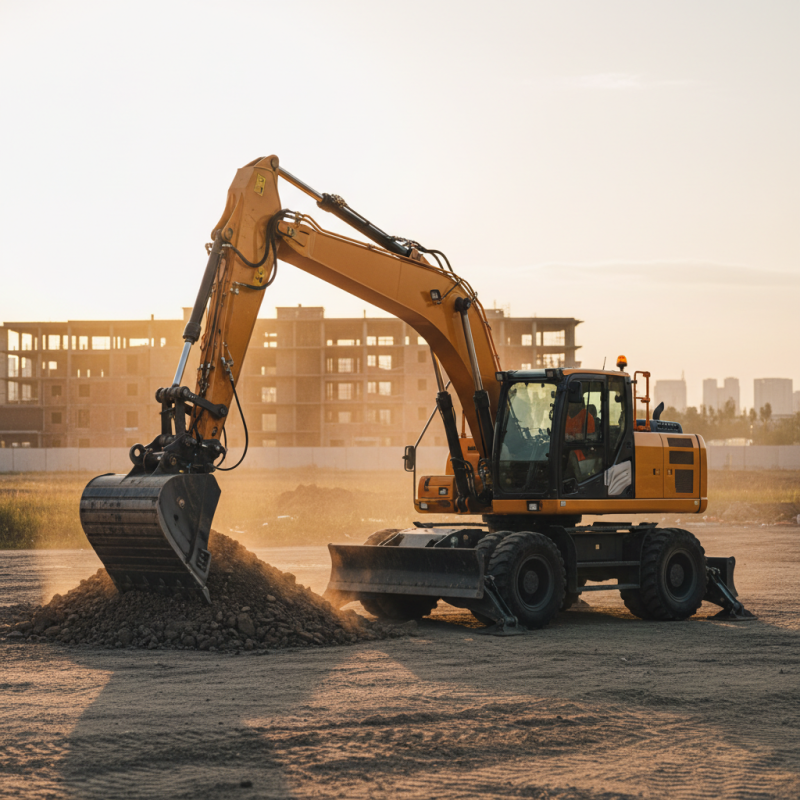
What is a Mobile Excavator and How to Choose One?

What is a Mobile Excavator and its Primary Functions?

A mobile excavator is a versatile piece of equipment used in construction and excavation. It combines the functions of traditional excavators with the ability to move around sites easily. These machines are often equipped with tracks or wheels, making them suitable for various terrains. Mobile excavators are ideal for tasks like digging, grading, and trenching. Their adaptability allows them to function in urban settings, construction sites, and even remote areas.

One primary function of a mobile excavator is its capability to dig deep foundations for buildings. The digging arm can reach significant depths, allowing for efficient excavation. Additionally, these machines can be fitted with different attachments, such as buckets or breakers, enhancing their functionality. For example, a mobile excavator with a hydraulic hammer can break through concrete with ease. This adaptability is crucial for contractors looking to optimize their workflow.

However, choosing the right mobile excavator involves careful consideration. Factors such as the job site conditions, required reach, and attachment compatibility are essential. It's also crucial to assess the machine's weight and size, which impact mobility. Reflecting on these elements can help in selecting an appropriate model. Testing various machines before purchasing can reveal strengths and limitations. The decision-making process is often complex and requires thoughtful evaluation.

Mobile Excavator Functionality Comparison

Key Features of Mobile Excavators to Consider

When selecting a mobile excavator, key features should shape your decision. The machine's size is crucial. A compact model may fit tight spaces, while larger versions can cover wider areas. Consider the digging depth as well. It directly affects project capability. Many projects require a depth of at least 10 feet. This means the excavator’s reach should meet the job demands.

Hydraulic performance is another essential aspect. Efficient hydraulic systems lead to quicker and smoother operations. Look for models with high flow rates and pressure ratings. These specifications can significantly impact productivity. Additionally, weight distribution matters. Proper balance enhances stability during operations. It prevents tipping, especially on uneven ground.

Lastly, the operator's comfort should not be overlooked. An ergonomically designed cabin can reduce fatigue. Controls should be intuitive and easy to use. A well-designed layout can make a significant difference during long hours of work. Investigate models that offer these features while being mindful of your budget constraints. Evaluating these aspects thoroughly will aid in making a well-informed choice.

Different Types of Mobile Excavators Available in the Market

Mobile excavators have become essential in construction and landscaping. They provide versatility and efficiency for various tasks. Understanding the types of mobile excavators available can help you make a better choice for your project.

There are several types of mobile excavators on the market today. Mini excavators are compact and agile. They are perfect for tight spaces. Standard excavators offer more power and a larger reach, making them suitable for bigger job sites. Rubber-tired excavators provide mobility on paved surfaces, adding another layer of convenience. Some mobile excavators come with attachments like buckets or hammers. This adaptability can enhance productivity significantly.

However, selecting the right mobile excavator can be challenging. Each type has unique strengths and weaknesses. Sometimes, you may find that a mini excavator cannot handle your job's demands. Conversely, a standard model might be too cumbersome for smaller tasks. It's crucial to assess your specific needs and project requirements before making a decision. Taking time to reflect on these factors can help prevent costly mistakes in the long run.

Factors to Evaluate When Choosing a Mobile Excavator

When selecting a mobile excavator, various factors play a critical role in ensuring optimal performance. Assessing the machine's weight class is crucial. Typically, excavators range from compact models weighing under 6 tons to larger units exceeding 40 tons. According to reports from the Construction Equipment Industry, 70% of operators prefer models between 10 and 20 tons for most site conditions. This weight provides a balance of power and maneuverability.

Another important factor is the hydraulic power. A well-performing mobile excavator should have an optimal flow rate and pressure. Machines with higher hydraulic output can operate efficiently with various attachments, enhancing versatility. Research indicates that over 60% of excavator operators prioritize hydraulic capabilities when making their purchasing decisions. Operators often reflect on how insufficient power can hinder productivity.

Additionally, fuel efficiency is an essential consideration. On average, excavators consume between 3 to 10 gallons of diesel per hour, depending on size and application. Some newer models claim to improve fuel efficiency by up to 20%. However, reviews show that real-world savings could be less optimistic if maintenance is neglected. Operators should also evaluate ongoing operating costs, as higher fuel consumption can quickly erode profit margins. Being informed about these factors can lead to a more sustainable machinery investment.

Maintenance Tips for Optimal Performance of Mobile Excavators

Mobile excavators are versatile machines used in various construction projects. To ensure their longevity and efficiency, regular maintenance is crucial. This can sometimes be overlooked. Ignoring small issues can lead to costly repairs later on.

Start with routine inspections of critical components. Check fluid levels, including oil and coolant. Change filters regularly to avoid performance drops. Worn parts can affect how your machine operates. Addressing these can be simple yet effective.

Cleaning the excavator is vital. Remove dirt and debris that accumulate during work. A clean machine not only looks professional but also runs better. Pay attention to the tracks, as debris can hinder mobility. Implementing a maintenance schedule can reduce the risk of unexpected breakdowns. Proper care enhances reliability and performance over time.

FAQS

: What size mobile excavator should I choose for tight spaces?

: A compact model is best for tight spaces. It fits well in confined areas.

How deep can a mobile excavator dig?

Many excavators can reach at least 10 feet deep. This depth meets most project demands.

Why is hydraulic performance important for mobile excavators?

Efficient hydraulics lead to quicker operations. Look for high flow rates and pressure ratings.

How does weight distribution affect excavator stability?

Proper weight distribution enhances stability. It prevents tipping on uneven surfaces, improving safety.

What features contribute to an operator's comfort?

Ergonomically designed cabins reduce fatigue. Intuitive controls make long hours easier to manage.

How can regular maintenance impact excavator performance?

Routine maintenance prevents costly repairs. Ignoring small issues can lead to larger problems later.

What should I inspect during regular maintenance?

Check fluid levels and change filters regularly. Worn parts should be addressed promptly for optimal performance.

Are there different types of mobile excavators?

Yes, there are mini, standard, and rubber-tired excavators. Each type has its own strengths and weaknesses.

What is the risk of choosing the wrong excavator type?

Selecting the wrong type can lead to inefficient operations. Reflecting on specific project needs helps avoid this.

How important is cleaning for a mobile excavator?

Cleaning is vital for performance. Dirt and debris can hinder operation and reduce mobility.

Conclusion

A Mobile Excavator is a versatile piece of construction equipment designed for various earth-moving tasks. It typically features a rotating cab and an extendable arm, allowing operators to reach difficult areas with precision. The primary functions of mobile excavators include digging, lifting, and demolition, making them essential for construction sites, roadworks, and landscaping projects. When choosing a mobile excavator, it’s important to consider key features such as size, weight, and hydraulic power, as well as the different types available in the market, including compact and wheeled models.

When evaluating a mobile excavator, factors such as intended use, required attachments, and budget should be taken into account to ensure optimal functionality. Regular maintenance is crucial for maintaining performance, including routine checks on hydraulic systems and timely repairs. By understanding these aspects, operators can select the right mobile excavator for their needs and keep it running efficiently.

Sienna

Sienna

Sienna is a skilled marketing professional with a deep expertise in our company’s core products and services. With a passion for innovation and detail, she plays a pivotal role in crafting insightful blog posts that not only highlight the unique features of our offerings but also provide valuable......