
Wings Machinery Wings Machinery

What Is a Mini Excavator and What Is It Used For?

Time:2026-10-07 Author:Sienna
0%

A Mini Excavator is a compact hydraulic machine built for digging, lifting, grading, and material handling in restricted spaces. Its operating weight commonly ranges from about one to eight tonnes. Compared with a standard excavator, it usually offers a narrower body, reduced tail swing, and easier transport. On a residential site, that difference matters. The machine may pass through a backyard gate, work beside a foundation, and avoid damaging nearby paving.

Industry data supports its growing relevance. Grand View Research’s 2024 Mini Excavator Market report projects a compound annual growth rate of approximately 5% through 2030. The report links this expansion to urban construction, infrastructure renewal, landscaping, and rental demand. Fortune Business Insights’ 2024 Excavator Market report also identifies Asia Pacific as a major growth region. However, market forecasts are not guarantees. Different reports use different definitions, regions, and equipment categories.

In practical use, a Mini Excavator can prepare trenches for utility lines, remove small concrete sections, shape drainage channels, and clear tree roots. Operators often change attachments within minutes, using buckets, breakers, augers, or hydraulic thumbs. That flexibility can reduce manual labor and improve site access. Still, compact does not mean risk-free. Limited visibility, unstable ground, poor attachment selection, and excessive loads can cause serious problems. Experience remains important.

This guide explains what a Mini Excavator is, how its main systems work, and where it performs best. It also examines operating limits, transport needs, attachment choices, and rental considerations. A smaller machine is not always the cheaper choice. That assumption deserves scrutiny.
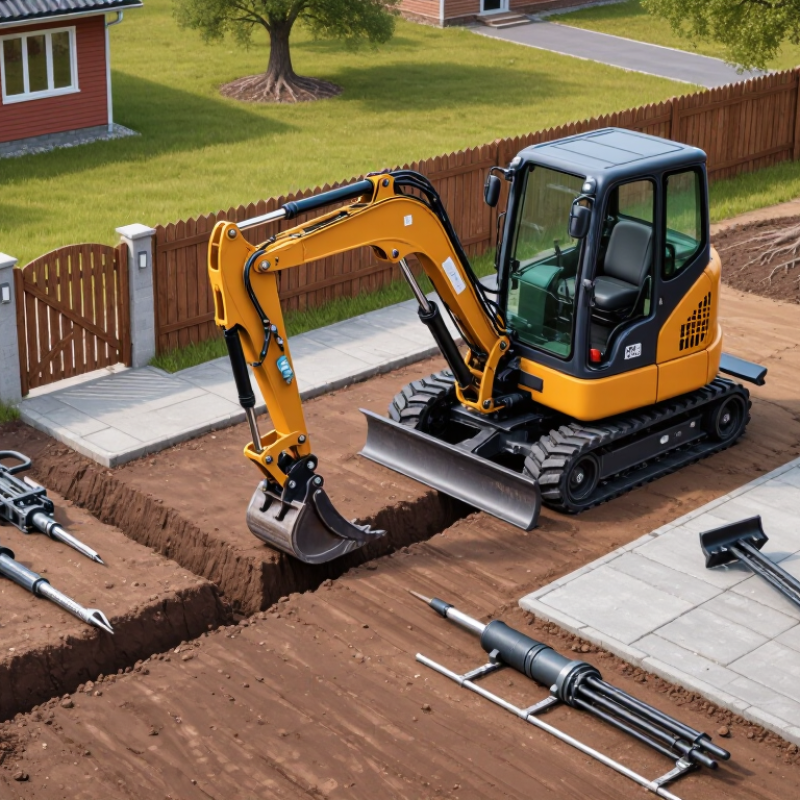
What Is a Mini Excavator and What Is It Used For?

What Is a Mini Excavator?

A mini excavator is a compact tracked machine designed for digging, lifting, grading, and light demolition. It usually weighs less than a standard excavator, although exact limits vary by model and region. Its narrow body can pass through gates, alleys, and tight building sites. That small footprint is its defining advantage. A hydraulic boom, dipper arm, and bucket provide controlled movement. Tracks spread the machine’s weight across soft ground and improve stability.

In practical work, operators use mini excavators to prepare trenches for drainage, water lines, cables, and foundations. They also remove stumps, break thin concrete, shape slopes, and load loose soil. Attachments can change the machine’s role, but each attachment affects balance, visibility, and lifting capacity. Field experience shows that beginners often judge a machine by digging depth alone. That can be misleading. Tail swing, operating width, ground pressure, and hydraulic flow may matter more on crowded sites.

A mini excavator is not simply a smaller version of a large excavator. It trades some digging force and reach for easier transport and better access. Before operation, a trained user should inspect the tracks, hoses, attachment pins, and work area. The operator must also check underground services and keep people outside the swing zone. Even experienced users can misjudge soft edges after rain. That deserves careful thought. A practical definition is simple: a mini excavator is a compact hydraulic tool for controlled earthmoving where space, access, and precision matter.

What Is a Mini Excavator and What Is It Used For?

Category Typical Information Common Practical Use
Definition A mini excavator is a compact tracked excavating machine with a boom, dipper arm, bucket, and rotating upper structure. Digging, lifting, grading, trenching, and material handling in areas where larger machines may not fit.
Typical Operating Weight Approximately 0.8 to 6 metric tonnes, depending on configuration and attachments. Provides a smaller footprint and easier transport than standard excavators.
Machine Width Often about 0.7 to 2.0 metres, with some models offering adjustable or narrow undercarriages. Access through gates, alleys, residential entrances, and other restricted spaces.
Typical Digging Depth Approximately 1.5 to 4.0 metres, depending on the machine size, boom, arm, and bucket configuration. Installing drainage, utility lines, irrigation systems, footings, and small foundations.
Undercarriage Rubber tracks are common and help reduce ground damage compared with steel tracks. Work on lawns, paved surfaces, landscaped areas, and residential properties with less surface disturbance.
Tail-Swing Design Some machines use conventional tail swing, while reduced-tail-swing and zero-tail-swing designs limit rear overhang. Operating beside walls, fences, buildings, roads, and other obstacles.
Primary Excavation Tasks Trenching, digging foundations, removing soil, backfilling, and preparing ground. Landscaping, residential construction, drainage installation, and utility work.
Landscaping Applications Suitable for removing stumps, shaping soil, digging ponds, preparing planting areas, and moving topsoil. Garden renovation, tree planting, retaining-wall preparation, and property improvements.
Utility and Drainage Work The compact boom and bucket allow controlled excavation around existing structures and services. Water lines, electrical conduits, sewer connections, drainage channels, and cable installation.
Common Attachments Buckets, grading buckets, hydraulic breakers, augers, grapples, thumbs, compactors, and tilt buckets. One machine can perform excavation, demolition, drilling, grading, lifting, and material-handling tasks.
Demolition Work Hydraulic breakers and other tools can remove concrete, masonry, paving, and light structures. Small-scale demolition, pavement removal, bathroom renovation, and site clearance.
Key Advantages Compact size, good maneuverability, relatively low transport requirements, and attachment flexibility. Efficient work on small sites and reduced disruption to surrounding property.
Main Limitations Lower lifting capacity, reach, breakout force, and production rate than larger excavators. Less suitable for deep excavation, large-scale earthmoving, heavy lifting, and major demolition.
Site Conditions Works best on stable ground with sufficient clearance, safe access, and adequate bearing capacity. Before operation, check underground utilities, overhead hazards, slopes, soil stability, and pedestrian access.
Best-Suited Projects Small construction, landscaping, utility installation, drainage, farm maintenance, and property renovation. Projects requiring precise excavation and maneuverability rather than maximum digging output.

Note: Dimensions, operating weight, digging depth, and performance vary according to machine configuration, attachment selection, ground conditions, and operating technique.

How Mini Excavators Work

A mini excavator is a compact hydraulic machine designed for digging, grading, trenching, and demolition work. Most models weigh below six metric tonnes, although definitions differ across markets. The Association of Equipment Manufacturers reported more than 50,000 compact excavators sold in the United States during 2023. The European Rental Association valued Europe’s equipment rental market at approximately €29 billion in 2023. These figures show strong demand for smaller machines on crowded sites.

How Mini Excavators Work

Power starts with a diesel engine or electric motor. It drives a hydraulic pump, which pressurizes oil through control valves. When the operator moves a joystick, oil flows into hydraulic cylinders. These cylinders extend or retract, moving the boom, dipper arm, and bucket. A separate hydraulic motor rotates the upper house, often through a full 360-degree working range. Tracks provide stability and reduce ground pressure. Some newer systems adjust pump flow automatically, improving fuel efficiency during light digging. The machine feels simple to control. It is not. Soil density, bucket angle, and hydraulic temperature can change performance quickly.

Tips: Check the ground before digging. Locate buried utilities. Keep the blade lowered when working on slopes. Match bucket size to the soil, not only to the machine’s rated capacity. Operators should also watch hydraulic leaks; a small oily patch may signal a larger failure. Manufacturer load charts and local safety guidance remain essential, because real jobsite conditions rarely match ideal test data.

Key Parts and Operating Features

What Is a Mini Excavator and What Is It Used For?

Key Parts and Operating Features

A mini excavator is a compact hydraulic machine, usually weighing below six metric tonnes. It handles trenching, drainage, grading, demolition, and landscape preparation. A 2024 market outlook from Off-Highway Research identifies compact excavators as one of construction equipment’s fastest-growing segments. Their small footprint explains much of this demand. They can rotate beside walls, pass through narrow gates, and work with less ground disturbance. Still, “compact” does not mean harmless.

The undercarriage supports the machine and uses rubber tracks for quieter travel on finished surfaces. The house contains the engine, hydraulic pump, counterweight, and operator station. Its boom, dipper arm, and bucket create the digging reach. Auxiliary hydraulic lines power augers, breakers, grapples, and compactors. Swing speed, breakout force, tail-swing design, and blade height directly affect site performance. The U.S. Occupational Safety and Health Administration stresses equipment inspection and trained operation before use. That matters because a short tail swing can improve access, but it can also reduce stability during side loading. A 2023 industry safety survey by the Association of Equipment Manufacturers found that training remains a major control for reducing equipment incidents. In practice, operators often watch the ground more carefully than the display. The display can be wrong. Loose soil, hidden utilities, and a full bucket change the machine’s balance quickly.

Common Applications of Mini Excavators

What Is a Mini Excavator and What Is It Used For?

Common Applications of Mini Excavators

A mini excavator is a compact tracked machine with a boom, arm, and digging bucket. Its narrow body fits through gates, alleys, and landscaped yards. Operators commonly use it for trenching, drainage work, utility installation, foundation preparation, and small demolition projects. Space is the advantage. A suitable attachment can also handle augering, grading, breaking concrete, or lifting light materials.

Residential contractors often choose mini excavators for sewer repairs, swimming-pool construction, tree-root removal, and driveway preparation. Municipal crews use them around sidewalks, parks, and buried services where larger equipment may damage surrounding surfaces. Grand View Research’s 2024 market analysis projects the global mini excavator market to expand at about a 4.8% compound annual growth rate from 2024 to 2030. That growth reflects demand for smaller machines on dense urban sites and renovation projects.

Labor shortages also influence equipment selection. The Associated General Contractors of America reported in its 2024 workforce survey that 94% of construction firms struggled to fill craft positions. A mini excavator cannot replace trained judgment. It can reduce repetitive digging and improve daily output. However, productivity depends on ground conditions, attachment choice, operator skill, and access planning. A compact machine may still crush paving, strike hidden utilities, or destabilize a trench. That assumption is not always right. Before work begins, crews should verify underground services, measure site clearance, and match the machine’s reach and lifting capacity to the task.

Choosing and Using a Mini Excavator Safely

A mini excavator is a compact tracked machine with a boom, arm, and bucket. It works in narrow areas where larger equipment cannot move easily. Common jobs include trenching, drainage work, grading, stump removal, and light demolition. Different attachments can handle soil, gravel, breakers, or cleanup tasks. Small does not mean harmless.

Choose a machine by operating weight, digging depth, lifting capacity, and tail-swing design. Check the ground before delivery. Soft soil, steep slopes, and hidden voids can change the risk quickly. Match the attachment to the hydraulic capacity. An undersized tool wastes time, while an oversized tool can destabilize the machine. Read the operating manual and confirm that the operator has suitable training. Rental staff can explain controls, but they cannot judge every site condition.

Before starting, walk around the machine and inspect tracks, pins, hoses, guards, and fluid leaks. Mark underground utilities and keep people outside the working radius. Use three points of contact when climbing into the cab. Fasten the restraint system, lower the blade, and test controls at low speed. Keep the bucket close to the ground when traveling. Never swing over people or work beneath a raised load. On slopes, travel straight up or down when possible. Hydraulic pressure can remain dangerous after shutdown. Release it only as the manual directs. Even careful operators misjudge rear swing. I still recheck clearance before every turn. Depth, visibility, and changing soil deserve constant attention.

FAQS

What is a mini excavator used for?

It is used for trenching, drainage, grading, landscaping, and light demolition. Narrow gates are often accessible. It can disturb less ground than larger equipment.

How does a mini excavator work in tight spaces?

Its compact body can pass through alleys, gates, and landscaped yards. A short tail swing helps near walls. However, side loading can reduce stability.

Which parts control the machine’s digging work?

The boom, dipper arm, and bucket provide digging reach. Rubber tracks support movement. Hydraulic lines power augers, breakers, grapples, and compactors.

What jobs commonly use mini excavators?

Contractors use them for sewer repairs, pool construction, root removal, and driveway preparation. Crews also prepare foundations and install utilities. Attachment choice matters.

How should someone choose the right machine?

Check operating weight, digging depth, lifting capacity, and tail-swing design. Match the attachment to the hydraulic system. A larger tool is not always better.

What should be inspected before operation?

Walk around the machine. Check tracks, pins, hoses, guards, and fluid leaks. Confirm site clearance and underground utility locations. Small oversights can become serious.

How can operators reduce common safety risks?

Keep people outside the working radius. Travel with the bucket close to the ground. Move straight up or down slopes when possible. Never swing over people.

What site conditions can change machine stability?

Soft soil, steep slopes, hidden voids, and full buckets can shift the balance quickly. Ground appearance can deceive you. I still recheck clearance before every turn.

Does a mini excavator replace skilled workers?

No. It reduces repetitive digging and may improve output. Trained judgment remains necessary. The display can be wrong. Experience also has limits.

Conclusion

A Mini Excavator is a compact construction machine designed to perform digging, lifting, grading, and material-handling tasks in areas where larger equipment may be difficult to use. Its small size, reduced operating weight, and maneuverability make it suitable for residential projects, landscaping, utility work, road maintenance, and other jobs in confined spaces. The machine works through a hydraulic system that transfers engine power to the boom, arm, and bucket, allowing operators to control digging movements with precision. Many models also feature a rotating upper structure, adjustable tracks, and interchangeable attachments for greater flexibility.

Key parts include the engine, hydraulic system, undercarriage, cab or operator station, boom, arm, and attachment. When choosing a Mini Excavator, users should consider digging depth, lifting capacity, machine size, terrain, attachment needs, and transport requirements. Safe operation requires proper training, pre-use inspections, stable ground, awareness of underground utilities, clear communication, and careful control around people and obstacles. With suitable planning and responsible operation, this equipment can improve productivity while reducing unnecessary site disruption.

Sienna

Sienna

Sienna is a skilled marketing professional with a deep expertise in our company’s core products and services. With a passion for innovation and detail, she plays a pivotal role in crafting insightful blog posts that not only highlight the unique features of our offerings but also provide valuable......