
Wings Machinery
Choosing the right gas forklifts is crucial for any business. With diverse models and specifications, making the best choice can overwhelm many. Industry expert John Smith, a recognized authority in material handling, states, “Selecting gas forklifts is not just about price; it's about efficiency and safety.” This highlights the importance of understanding your operational needs.
Gas forklifts offer high performance and mobility, making them suitable for various environments. Their robust engines provide power for heavy lifting tasks. However, the decision can be complex. Factors like fuel efficiency, maintenance, and ergonomic design play critical roles.
In addition to technical specifications, businesses must consider the long-term costs associated with gas forklifts. Reliable brands tend to offer better resale value and service support. Reflecting on these variables is essential for a well-informed decision. As companies assess their options, they should remember that the best choice ultimately enhances productivity and workforce safety.
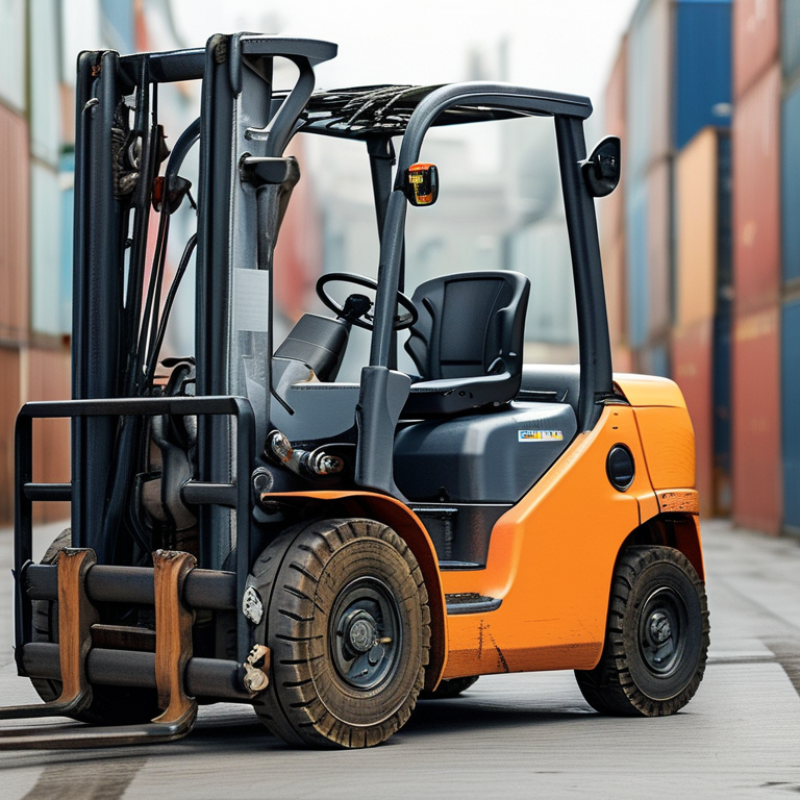
Gas forklifts are essential in many industries. They provide power and efficiency for moving heavy loads. Understanding their key features helps businesses choose the right one.
One major advantage of gas forklifts is their extended operational range. They can run for long periods without needing frequent refueling. This feature is beneficial in busy warehouses. The high lifting capacity also makes them suitable for transporting heavy goods. However, they may not be the best choice for indoor use due to emissions.
The maintenance of gas forklifts requires attention. Regular checks can prevent larger issues. Owners should invest time in understanding these machines. Some features, like stability and braking systems, are crucial for safety. A lack of knowledge about these aspects can lead to accidents. Thus, ensuring proper training and resources is vital for optimal operation.
This chart illustrates the key features and benefits of gas forklifts based on various factors that businesses consider when making a choice.
When considering a gas forklift for your business, understanding your specific needs is crucial. Start by assessing the type of materials you'll handle. Lighter loads might not require heavy-duty machinery. However, for more significant items or bulk materials, a robust model becomes necessary. Evaluating the weight capacity helps you avoid potential safety hazards in the workplace.
Next, think about the operating environment. Will your forklift be used indoors, outdoors, or both? Gas forklifts excel in outdoor conditions but may struggle indoors due to exhaust fumes. Consider if you need a model with specific features, like a reduced turning radius for tighter spaces, or durable tires for rugged outdoor use. Each factor plays a role in overall efficiency and safety.
Budget is another critical aspect to reflect on. A higher initial investment may seem daunting, but long-term savings through reliability and maintenance should be weighed. Balancing cost with quality ensures you invest wisely. Finally, consider how often the forklift will be used. A model for heavy daily use will differ greatly from one needed occasionally. Taking the time to reflect on these details will guide you to the best gas forklift for your business.
| Feature | Description | Importance for Business |
|---|---|---|
| Load Capacity | The maximum weight the forklift can handle. | Critical for ensuring safe handling of materials. |
| Mast Height | The height of the lifting mast when extended. | Affects the ability to reach higher storage racks. |
| Fuel Efficiency | The amount of fuel the forklift consumes during operation. | Important for reducing operational costs. |
| Turning Radius | The minimum width required to turn the forklift. | Essential for maneuverability in tight spaces. |
| Operator Comfort | Features that enhance the comfort of the operator. | Can increase productivity and reduce operator fatigue. |
| Maintenance Requirements | Frequency and type of maintenance needed. | Important for planning upkeep and avoiding downtime. |
| Safety Features | Includes features like seatbelts, lights, and alarms. | Crucial for protecting operators and enhancing site safety. |
| Versatility | Ability to perform various tasks and handle different attachments. | Increases the value and utility of the forklift across operations. |
When considering gas forklifts for your business in 2026, various brands and models can significantly impact your operations. Each manufacturer offers unique features aimed at different industrial needs. Evaluating fuel efficiency, lifting capacity, and maintenance can guide your choice. Some brands excel in ergonomics, making them suitable for long hours of operation. Others focus on durability, ideal for rugged environments.
Different models possess varying capabilities in terms of speed and maneuverability. Assessing your material handling requirements is crucial. For example, if your warehouse uses narrow aisles, a compact model may be ideal. However, larger capacities might require more robust machines. Look for reliable customer feedback. This can shed light on real-world performance and any potential issues.
Investing in a gas forklift is not just about immediate needs. Consider long-term efficiency and resale value. While it may be tempting to go for the most popular choices, they might not fit all situations. Sometimes, lesser-known models can provide superior value. Take time to reflect on your specific requirements before making a decision.
When evaluating the maintenance of gas forklifts, several factors come into play. Regular servicing is crucial. Reports indicate that well-maintained forklifts can reduce unplanned downtime by 30%. This translates into fewer disruption costs and improved operational efficiency. Gas forklifts typically require oil changes and filter replacements. Ignoring scheduled maintenance can lead to costly repairs later.
Fuel efficiency is another important consideration. According to industry data, modern gas forklifts can achieve about 12 to 14 miles per gallon. In contrast, older models might average only 8 to 10. The fuel costs greatly impact overall operating expenses. Moreover, running a fuel-efficient forklift can cut greenhouse emissions. This is beneficial for both the environment and regulatory compliance.
Despite these advantages, businesses often overlook maintenance schedules. This can lead to unexpected breakdowns and reduced productivity. Additionally, the initial purchase cost of gas forklifts can be higher than other types. Therefore, while they may offer long-term savings, the upfront investment must be carefully analyzed. Each business must weigh these factors to align with specific operational goals.
When considering gas forklifts for your business, budget plays a critical role. Establishing a clear budget helps narrow your options. Evaluate the costs of purchase, maintenance, and fuel. Understand that cheaper models may require more repairs. This can lead to higher expenses over time. Sometimes, investing more upfront pays off in durability.
Financing options are equally important. Many businesses look for loans or leasing options. This can spread out the cost and improve cash flow. Look for favorable interest rates and terms. Some financing plans may include maintenance packages. These options can offer peace of mind. Always read the fine print. Hidden fees can turn a good deal into a burden.
Research is key. Speak with industry experts and read reviews. Understanding the total cost of ownership is crucial. This includes not just the acquisition cost but the operational expenses. An informed decision can save your business money and improve efficiency. Careful planning today leads to better performance tomorrow.
: Evaluate the materials you'll handle and their weight capacity. Choosing the right model is essential for safety.
Gas forklifts excel outdoors but can struggle indoors due to exhaust fumes. Consider your specific environment.
Budget matters, but weigh long-term savings against initial costs. Balance quality with affordability for best results.
Regular maintenance is crucial. Schedule oil changes and filter replacements to avoid costly repairs later.
Modern models achieve about 12 to 14 miles per gallon. Older ones may only average 8 to 10.
Yes, ignoring maintenance schedules can lead to unexpected breakdowns. This reduces productivity and increases costs.
Many overlook the long-term operational costs. Assessing total expenses is vital for well-informed decisions.
A forklift for heavy daily use differs greatly from one needed occasionally. Assess usage to choose wisely.
When selecting the best gas forklifts for your business, it's essential to understand their key features and benefits. These forklifts offer various advantages, including improved power and efficiency, making them suitable for diverse operational needs. Before making a decision, assess your specific business requirements, such as the types of loads you handle and the working environment.
In 2026, it's vital to compare different gas forklift brands and models while evaluating their maintenance needs and fuel efficiency. This information will help you make an informed purchase decision that aligns with your budget and financing options. With a thorough analysis of these factors, you can choose the right gas forklift that meets your operational demands and contributes to the success of your business.