
Wings Machinery
Choosing the right excavator bucket is not a minor attachment decision. It affects how much material each pass can move, how smoothly the machine works, and how quickly teeth and cutting edges wear. The scale is substantial. The U.S. Geological Survey’s 2024 Mineral Commodity Summaries estimated that U.S. construction sand and gravel production reached about 960 million tons in 2023. That figure does not prescribe a bucket, but it shows why matching equipment to material and job conditions matters.
Start with the work itself: digging dense clay, handling loose aggregate, or grading a trench calls for different bucket shapes and cutting edges. Then check the excavator’s operating limits, coupler, and hydraulic compatibility. SAE J296, the industry standard for excavator and backhoe bucket volume rating, provides a consistent basis for comparing stated capacities. Still, rated capacity alone can mislead. A wide bucket may look productive, yet prove poorly matched to the machine or the material.
The difference is real. Consider a rocky site where sharp stones strike the bucket lip all day; wear resistance may matter more than extra width. On a fine-grading job, a smooth edge and controlled profile may matter more. These are practical trade-offs, not universal rules. Site conditions, operator experience, and maintenance all affect performance, so confirm recommendations with the machine manufacturer or a qualified dealer. This guide explains how to compare Excavator Buckets by application, capacity, material, and durability. Some choices remain imperfect. The best fit is the one that performs reliably on your actual job—not just on a specification sheet.
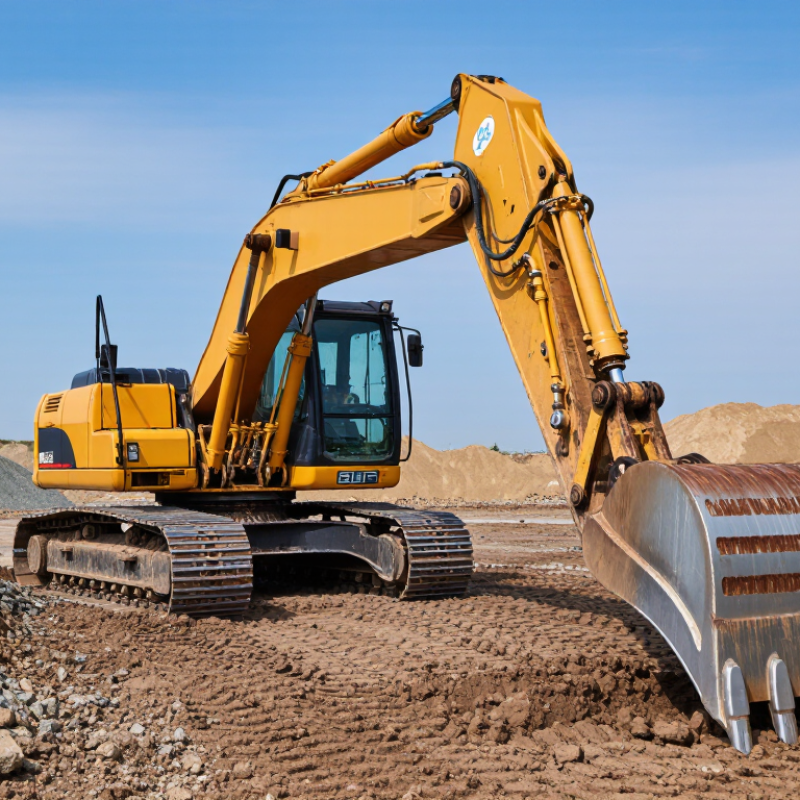
A general-purpose bucket handles common digging in soil, sand, and loose gravel. Its teeth help break compacted ground, while its width moves material efficiently. For narrow trenches, a trenching bucket offers a slimmer profile and cleaner edges. Match its width to the planned trench, not just the machine’s reach. Small details matter.
Rock buckets use reinforced construction and spaced openings to let finer material fall through. They suit rough, abrasive conditions, but their weight can reduce the load the excavator safely handles. Grading and ditch-cleaning buckets are wider, often with a smooth cutting edge. They are useful for shaping slopes, clearing loose material, and finishing surfaces. They are not ideal for forceful digging.
Before choosing, consider the material, task, machine capacity, and attachment connection. Check the excavator’s operating limits and the bucket’s compatibility in the equipment documentation. Teeth, side cutters, and wear plates affect performance and maintenance. A wider bucket may cover more ground, yet become difficult to control in dense soil. There is no perfect bucket for every job. Even an experienced operator may need to adjust the choice after seeing how the ground behaves.
Before choosing a bucket, match its width and capacity to the excavator’s operating weight, lift limits, and hydraulic flow. Check the machine’s load chart, not just its rated bucket volume. A full bucket of wet clay can weigh far more than loose topsoil. USDA NRCS guidance on soil bulk density gives general root-growth thresholds of about 1.4 g/cm³ for clayey soils and 1.6 g/cm³ for sandy soils. These are soil-quality indicators, not payload ratings, but they show why texture matters. Moisture and rock content can change the load again. A rough estimate is useful; it is not a load ticket.
Walk the worksite before deciding. Look for narrow access, overhead clearance, buried utilities, and the space needed to swing and dump. In a trench, a narrower bucket may reduce overbreak and spoil cleanup. On a broad, open cut, a wider bucket can move more material per pass, if the excavator can handle the added load. Check the haul distance and dump height, too. Small details matter. A bucket that performs well on firm ground may bog down in saturated soil or spill across a tight access path. I would recheck the choice after the first few passes; actual fill and cycle time can expose a poor assumption.
Bucket shape should match the material and the cut, not just the machine’s appearance. A general-purpose bucket with a curved profile works well for mixed soil and routine digging. For trenching, a narrower bucket can make cleaner cuts and reduce the amount of material disturbed. A wide cleanup bucket suits grading and loose material, but it may feel awkward in a tight excavation. That matters. On site, even a small mismatch can leave uneven trench walls or require extra passes.
Capacity needs to fit both the material’s weight and the excavator’s rated limits. A bucket that looks productive when empty may overload the machine with wet clay or dense gravel. Check the bucket’s heaped capacity, the material density, and the carrier’s lifting guidance together. Construction also affects service life. Inspect the cutting edge, side plates, wear strips, welds, and pin fit; these details take repeated contact with rock and abrasive soil. Thicker steel is not automatically better if added weight reduces useful payload. There is no perfect bucket, and this trade-off is easy to underestimate. Ask what the bucket will handle on most working days, then account for occasional tougher jobs.
| Bucket Type | Shape and Cutting Edge | Typical Capacity Range | Construction Features | Best Suited For | Selection Consideration |
|---|---|---|---|---|---|
| General-Purpose | Moderately wide profile with a curved back and standard teeth or a cutting edge. | Approximately 0.1–1.2 m³ | Balanced shell thickness, side plates, wear strips, and replaceable teeth on many models. | Everyday digging in soil, clay, sand, and mixed ground. | A practical all-round option when work conditions vary. Match the width and capacity to the excavator and material density. |
| Heavy-Duty | Reinforced digging profile, often with a stronger lip and robust tooth arrangement. | Approximately 0.2–1.5 m³ | Thicker wear areas, reinforced side plates, and additional wear protection in high-contact zones. | Frequent excavation in compacted soil, gravel, or abrasive materials. | Added strength can increase bucket weight. Confirm that the excavator can safely handle the loaded bucket. |
| Rock | Narrower, deeper profile with a reinforced cutting edge and prominent teeth. | Approximately 0.2–1.3 m³ | Heavy-duty shell and lip, with wear-resistant protection in areas exposed to impact and abrasion. | Breaking into or handling fractured rock, quarry material, and very abrasive ground. | Choose a capacity that suits the machine’s breakout force and the density of the material; oversizing can reduce productivity. |
| Ditching / Grading | Wide, shallow profile, usually with a smooth cutting edge and little or no tooth projection. | Approximately 0.2–1.5 m³ | Broad, relatively shallow shell designed to spread material and create a clean finish. | Cleaning ditches, shaping slopes, spreading soil, and finishing work. | Its width helps cover more ground but may make it less effective for deep, narrow excavation or hard ground. |
| Skeleton / Sorting | Open-bar profile that allows finer soil to fall through while retaining larger material. | Approximately 0.2–1.2 m³ | Parallel steel bars with reinforced edges; spacing determines the approximate screening size. | Separating rocks from soil, sorting demolition debris, and handling coarse materials. | Bar spacing should match the material being sorted. Capacity figures are not directly comparable with a solid bucket’s usable load. |
Note: Capacity ranges are indicative examples for compatible compact-to-mid-size excavators, not universal specifications. Actual capacity depends on bucket dimensions, machine class, coupler, material density, and the manufacturer’s rating method. Check the excavator’s lift and operating limits before selecting a bucket.
Before comparing bucket shapes, confirm that the bucket matches the excavator’s coupler and attachment specifications. Measure the pin diameter, pin spacing, and mounting width, then compare them with the machine’s approved dimensions. A few millimeters can prevent secure engagement. Check that any hydraulic connections match the required type and pressure. Do not guess.
Compatibility is only part of the decision. A larger bucket may hold more material, but its weight and contents can exceed the excavator’s lifting capacity or reduce stability. Review the operator’s manual and load chart for limits at the intended reach and working position. Check hydraulic flow and pressure requirements for powered attachments, too. Small details matter.
Before regular work, inspect the coupler lock and confirm the attachment is seated as specified. On a clear, level surface, follow the machine’s approved procedure to verify engagement. Watch for movement, unusual noise, or leaks. If anything seems uncertain, stop and recheck the specifications with a qualified technician. It is easy to overlook a worn pin or a measurement taken from the wrong edge. That small pause can prevent equipment damage and an unsafe lift.
A bucket’s purchase price tells only part of the story. Look at how easily its cutting edge, teeth, side cutters, and wear plates can be inspected and replaced. In abrasive soil, these parts may wear quickly; in lighter work, they may last much longer. Small checks matter. After a shift, look for loose teeth, cracked welds, and bent edges before damage spreads.
Maintenance access affects both downtime and cost. Pins and bushings should be reachable for routine inspection, while common wear parts should be replaceable without complicated repairs. Keep a simple record of operating hours and replaced components. It will not predict every failure, but it can reveal patterns. A weekly note about unusually fast tooth wear may be more useful than a vague annual estimate.
Long-term value also depends on matching the bucket to the machine and the material. A bucket that is too wide or heavy can place extra strain on the equipment, while one that is too small may slow each cycle. Compare expected repair costs, replacement-part availability, and time out of service—not just the initial quote. A neat cost calculation can still miss changing ground conditions. Check the actual wear after a few weeks of work, then reconsider the choice if repairs are arriving sooner than expected.
Compare purchase price with projected maintenance and wear-part costs over five years.
The chart uses illustrative USD planning estimates—not market quotes or industry benchmarks. Actual costs depend on bucket size, material, operating hours, wear protection, and maintenance practices. Match bucket design to the material and impact level, then compare expected wear-part and repair costs alongside the initial price.
Check the excavator’s operating weight, lift limits, hydraulic flow, and load chart. Rated bucket volume alone can mislead.
Wet clay can weigh far more than loose topsoil. Moisture and rocks change the load, too. A rough estimate helps, but it is not a load ticket.
Look for narrow access, overhead clearance, buried utilities, swing space, dump height, and haul distance. Small details matter.
A narrow bucket may reduce overbreak in a trench. A wider one can move more material across an open cut, if the excavator can handle it.
Measure pin diameter, pin spacing, and mounting width. Compare each measurement with approved machine specifications. A few millimeters can matter.
Check the operator’s manual and load chart for the intended reach and position. For powered attachments, verify hydraulic flow and pressure requirements. Do not guess.
Inspect the coupler lock and follow the approved engagement procedure on level ground. Watch for movement, unusual noise, or leaks. Stop if anything seems uncertain.
Recheck after a few passes. Actual fill, cycle time, or spillage may expose a poor assumption. I would not trust the first estimate too much.
Choosing the right excavator bucket starts with matching its type to the work. General-purpose buckets suit everyday digging, while specialized designs may be better for tasks such as trenching, grading, or handling loose material. Consider the excavator’s size and capabilities, the ground conditions, available working space, and the material being moved. These factors help narrow down a bucket that can perform efficiently without placing unnecessary strain on the machine.
Next, compare bucket shape, capacity, and construction to balance productivity with control and durability. Check that the attachment fits the excavator and remains within its operating limits, including weight and load capacity. Finally, consider how easy the bucket is to inspect, clean, and maintain, along with the likely costs of wear and replacement parts over time. A well-matched choice can support reliable performance, safer operation, and better long-term value.
