Choosing the best Backhoe Loader begins with the jobsite, not the brochure. Soil density, trench depth, hauling distance, and attachment demands shape the right decision. A compact machine may suit residential utility work. A larger model may handle quarry access roads more confidently. However, bigger is not always better. It can increase fuel use, transport costs, and ground pressure.
Industry equipment journalist Mike Woof offers a useful perspective: “The best machine is the one that fits the job.” That idea deserves careful attention. Compare digging depth, breakout force, loader lift capacity, hydraulic flow, turning radius, and operating weight. Also inspect the cab. Clear sightlines, stable controls, low noise, and comfortable seating affect productivity during long shifts. Small details matter.
Think beyond purchase price. Review fuel consumption, service intervals, parts availability, warranty coverage, and local dealer support. Ask operators to test the Backhoe Loader on representative ground. Watch how smoothly it loads wet soil, reaches a trench, and changes attachments. A specification sheet cannot reveal every weakness.
There is no perfect choice.
Even experienced buyers can focus too heavily on horsepower. That can hide poor balance, limited visibility, or expensive maintenance. A reliable selection matches current work while allowing reasonable future growth. This guide will help compare machine classes, features, costs, and practical jobsite performance. Use manufacturer data, dealer demonstrations, operator feedback, and independent reviews before committing. The final answer should be measurable, realistic, and suited to your working conditions.
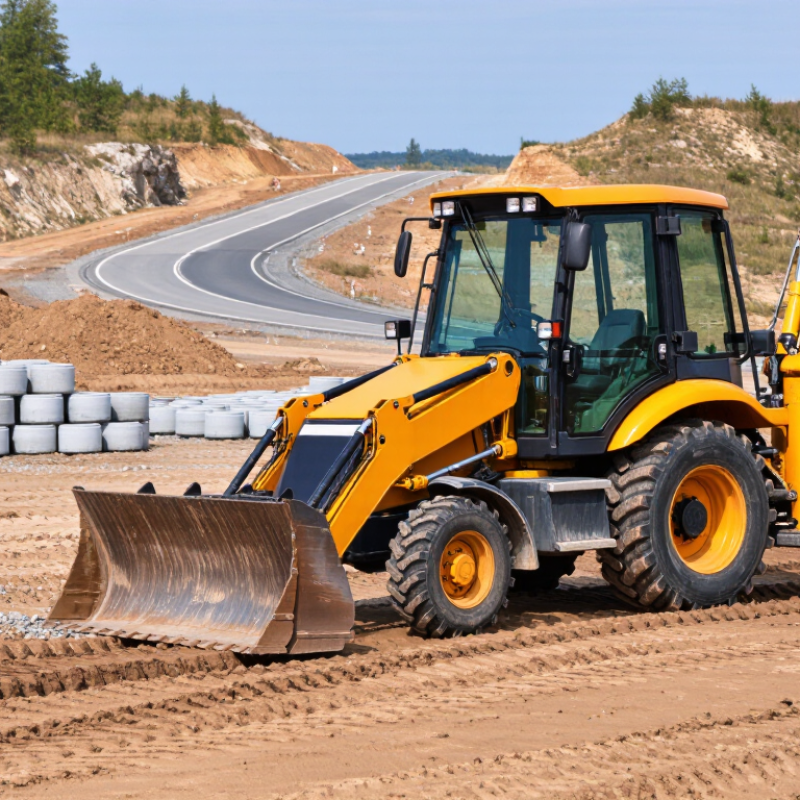
Understanding Backhoe Loader Types and Core Functions
Choosing a backhoe loader starts with understanding its basic design. It combines a front loader with a rear excavating arm. The front bucket moves soil, gravel, and construction debris. The rear boom digs trenches, foundations, and drainage channels. Hydraulic cylinders control both attachments with steady force and useful precision.
Common types include standard center-mount models, sideshift models, and compact backhoe loaders. Center-mount designs usually provide balanced digging performance. Sideshift versions can work closer to walls or narrow boundaries. Compact models fit tighter urban spaces and reduce ground disturbance. Four-wheel drive improves traction on mud, slopes, and loose aggregate. However, it can add cost and maintenance demands.
Match the machine to the worksite, not only the purchase price. Check digging depth, bucket capacity, lifting height, turning radius, and transport weight. A deep trench needs sufficient boom reach and hydraulic power. A busy road project may need a compact frame and quick attachment changes. Tire condition, control layout, and operator visibility also affect daily productivity. Small details matter.
A larger bucket is not always better. It may overload the loader or increase fuel use. I once underestimated how much narrow access changes machine performance. That mistake is worth remembering. Walk the site, measure gate widths, inspect the soil, and compare the machine’s rated capacities with real tasks. Leave room for uncertainty, because wet ground and uneven terrain often change the plan.
Matching Loader Specifications to Your Work Requirements
How to Choose the Best Backhoe Loader for Your Needs?
Matching Loader Specifications to Your Work Requirements
Choosing a backhoe loader starts with the work, not the machine’s appearance. Identify your digging depth, lifting needs, soil type, and daily operating hours. A utility contractor may need a narrow frame for urban trenches, while a farm project may require stronger traction and greater reach. Measure access points carefully. A machine that cannot pass a gate is useless, regardless of its rated power.
Match hydraulic flow to the attachments you will use. Standard buckets suit soil removal, but breakers, augers, and compactors can demand different flow rates. Check the loader’s breakout force and lifting capacity against your heaviest routine load. Do not size the machine only for occasional peak tasks. That can increase fuel use, transport costs, and operator fatigue. For muddy ground, examine tire options, ground clearance, and four-wheel drive performance.
Operator comfort also affects production. Look for clear controls, good visibility, adjustable seating, and stable steps. Safety features should support daily habits, not replace training or site planning. Review service access, maintenance intervals, parts availability, and warranty terms from reliable documentation. A small oversight matters. I have seen equipment choices focus heavily on horsepower while ignoring turning radius and rear clearance. Recheck those measurements with the actual jobsite layout, especially near walls, traffic lanes, and overhead obstacles.
Evaluating Size, Performance, and Operating Capacity
Choosing a backhoe loader starts with the worksite, not the brochure. A 2024 Fortune Business Insights assessment valued the global backhoe loader market at about US$4.8 billion in 2023. That growth reflects demand for versatile machines, but versatility can hide poor matching.
For urban repairs, a compact machine around 7–9 tonnes may reduce ground damage and transport costs. Larger excavation jobs may require 90–110 horsepower and stronger breakout force. Check the loader’s rated operating capacity, not only its maximum lift. A practical target is at least 50% of the expected load, leaving room for uneven ground and attachments. The wrong margin becomes expensive quickly.
Hydraulic flow also matters. Standard flow suits buckets and forks, while high-flow systems support breakers and augers. Review cycle times under load, fuel consumption, turning radius, and lifting height. The 2024 Off-Highway Research market review identifies productivity and operating efficiency as major equipment purchasing factors. In daily use, a loader that completes four extra cycles per hour can outperform a more powerful machine. Numbers need context.
I once treated engine power as the main performance measure. That was a mistake. Operator visibility, control smoothness, and attachment balance often matter more. Measure the actual trench depth, spoil distance, and pallet weight. Then compare those figures with the machine’s rated capacity under ISO 14397 testing conditions. Soil changes, too. Wet clay can defeat a specification sheet. Leave some doubt in the calculation. It is safer than trusting perfect conditions.
How to Choose the Best Backhoe Loader for Your Needs? - Evaluating Size, Performance, and Operating Capacity
| Backhoe Loader Class |
Typical Operating Weight |
Engine Power Range |
Maximum Digging Depth |
Loader Bucket Capacity |
Backhoe Bucket Capacity |
Typical Breakout Force |
Best-Fit Applications |
| Compact |
5,500–7,500 kg |
55–75 hp |
3.0–4.0 m |
0.60–0.85 m³ |
0.12–0.25 m³ |
35–50 kN |
Utility work, landscaping, residential construction, and confined sites |
| Light Duty |
7,500–8,500 kg |
65–90 hp |
3.5–4.5 m |
0.75–1.00 m³ |
0.15–0.30 m³ |
45–65 kN |
Road maintenance, drainage, small excavations, and general contracting |
| Standard |
8,500–9,500 kg |
75–110 hp |
4.0–5.5 m |
0.90–1.20 m³ |
0.20–0.35 m³ |
55–80 kN |
Routine trenching, utility installation, farm work, and construction sites |
| Heavy Duty |
9,500–11,500 kg |
95–130 hp |
4.8–6.2 m |
1.00–1.35 m³ |
0.25–0.45 m³ |
70–100 kN |
Deep excavation, hard soil, large-scale earthmoving, and infrastructure work |
| High-Capacity |
11,500–13,500 kg |
115–150 hp |
5.5–6.8 m |
1.20–1.50 m³ |
0.35–0.55 m³ |
90–120 kN |
High-volume loading, demanding excavation, quarry support, and major civil projects |
Selection guidance: Choose a compact or light-duty machine when transport access, low ground disturbance, and maneuverability are priorities. Select a standard or heavy-duty machine for deeper digging, higher breakout force, and frequent multi-purpose work. High-capacity models are most suitable when loading volume and excavation output are more important than minimum operating cost.
Note: The figures are representative industry ranges for conventional backhoe loaders. Actual specifications vary according to configuration, attachment selection, tire size, hydraulic system, counterweight, and operating conditions.
Comparing Attachments, Comfort, Safety, and Technology
Choosing a backhoe loader starts with the work, not the brochure. Match hydraulic flow to attachments such as breakers, augers, trenching buckets, and compactors. A quick coupler saves time, but only when locking indicators are visible from the cab. Check lift capacity at realistic reach distances. Maximum figures can mislead.
Comfort affects concentration during long shifts. Look for adjustable seating, low-effort controls, clear sightlines, climate control, and reduced vibration. Safety deserves equal attention. Rollover protection, stable steps, reverse alarms, cameras, and verified attachment locks reduce everyday exposure. The U.S. Bureau of Labor Statistics recorded 1,075 fatal work injuries in construction during 2023. That figure covers many causes, but it reinforces disciplined equipment selection. Technology also matters. Telematics can monitor idle time, service intervals, fuel use, and unauthorized operation. UNEP’s 2023 Buildings and Construction Global Status Report states that construction and buildings used 34% of global energy and created 37% of energy- and process-related carbon emissions in 2022. Efficiency is no longer merely a fuel-cost issue.
Tips: Test the loader on your actual ground. Bring the operator. Measure cab visibility, control reach, and attachment-change time. I once gave too much attention to digging depth and too little to daily access. That was a poor assumption. Review maintenance access, diagnostic support, and data ownership before signing. A perfect specification sheet cannot replace ten quiet minutes in the seat.
How to Choose the Best Backhoe Loader for Your Needs?
A practical evaluation framework comparing the four factors that most directly affect productivity, operator performance, job-site risk, and machine utilization. Scores are measured on a 1–10 planning scale and can be adjusted for specific projects.
Attachments should match the required digging, loading, grading, and hydraulic-flow tasks. Comfort includes seat adjustment, visibility, controls, vibration reduction, and noise levels. Safety covers rollover and falling-object protection, visibility aids, access steps, braking, and stability. Technology includes telematics, machine monitoring, payload information, work modes, and service diagnostics.
Assessing Ownership Costs, Maintenance, and Dealer Support
How to Choose the Best Backhoe Loader for Your Needs?
Assessing Ownership Costs, Maintenance, and Dealer Support
The purchase price is only one part of a backhoe loader’s real cost. Estimate fuel use, insurance, financing, tires, attachments, and expected resale value. A machine working eight hours daily may consume far more than a lightly used unit. Ask for operating data from similar applications. Numbers from a brochure can be optimistic.
Maintenance planning deserves close attention. Check service intervals, filter prices, grease points, and access to the engine compartment. A cramped service area can turn a simple inspection into lost working hours. Review warranty coverage carefully, including travel charges and labor limits. Keep records of repairs, fluid changes, and unusual noises. Details matter. A neglected record can reduce resale confidence.
Dealer support often decides whether a machine earns money or sits idle. Ask how quickly technicians respond during peak construction periods. Confirm parts availability, emergency service options, and technician training. Request references from contractors with similar workloads. A nearby dealer is useful, but reliable communication matters more. I would not choose solely on a promised response time. Ask for evidence. An honest evaluation should include inconvenient questions, such as average repair delays and difficult parts to source. Some estimates will still be wrong. That is normal. Leave a realistic contingency fund for unexpected downtime, especially during the first year.
FAQS
It combines a front loader bucket with a rear excavating arm. The front bucket moves soil, gravel, and debris. The rear arm digs trenches, foundations, and drainage channels. Hydraulic cylinders control both attachments.
A sideshift model works closer to walls and narrow boundaries. A compact model suits tight urban spaces and limits ground disturbance. Measure gates and access routes before choosing.
Four-wheel drive improves traction on mud, slopes, and loose aggregate. It also increases cost and maintenance demands. Consider the actual ground conditions. More capability is not always better.
Check digging depth, bucket capacity, lifting height, turning radius, and transport weight. Confirm the boom can reach the planned trench. Compare rated capacities with real tasks.
Not necessarily. A large bucket may overload the loader and increase fuel use. A narrow bucket may work better in restricted areas. I once underestimated access limits. That mistake still matters.
Include fuel, insurance, financing, tires, attachments, maintenance, and resale value. An eight-hour workday can consume much more fuel. Brochure figures may be optimistic.
Check service intervals, filter prices, grease points, and engine access. A cramped service area can waste hours during inspections. Keep records of repairs, fluids, and unusual noises. Records matter.
Ask about technician response times, parts availability, emergency service, and technician training. Request references from contractors with similar workloads. Ask about average repair delays. Promises are not proof. Keep a contingency fund for unexpected downtime.
Conclusion
Choosing the best Backhoe Loader starts with understanding how different configurations serve different jobs. Consider whether you need a compact model for confined areas, a standard machine for general construction, or a high-capacity option for demanding excavation and loading tasks. Match key specifications, including engine power, digging depth, lifting capacity, hydraulic performance, and transport dimensions, to your typical workload. The right balance of size, operating weight, maneuverability, and fuel efficiency can improve productivity without creating unnecessary operating costs.
Attachments and operator-focused features also play an important role. Buckets, breakers, augers, forks, and other tools can expand a machine’s versatility, while a comfortable cab, clear visibility, intuitive controls, and modern monitoring technology support safer and more efficient work. Before making a decision, evaluate purchase price, fuel use, routine maintenance, parts availability, warranty coverage, and dealer or service support. A careful comparison of performance, comfort, durability, and total ownership costs will help you select a Backhoe Loader that remains valuable across changing project requirements.
 Wings Machinery
