Choosing the right excavator buckets can make a significant difference in your project efficiency. Excavator buckets come in various shapes and sizes, designed for specific tasks. Whether you need to dig, scoop, or scrape, selecting the right type is crucial.
Different projects may require different buckets. For example, a trenching bucket is ideal for narrow, deep excavations, while a general-purpose bucket is versatile for various tasks. Factors such as soil type, project size, and machine compatibility should influence your choice. Each decision can drastically affect performance and output.
It’s easy to overlook details when selecting excavator buckets. Many may choose based on price alone, ignoring specifications and durability. Understanding your specific needs is essential. Investing time in the right selection can ultimately lead to better results and reduced costs. Explore your options, ask for expert advice, and reflect on past experiences to make an informed decision.
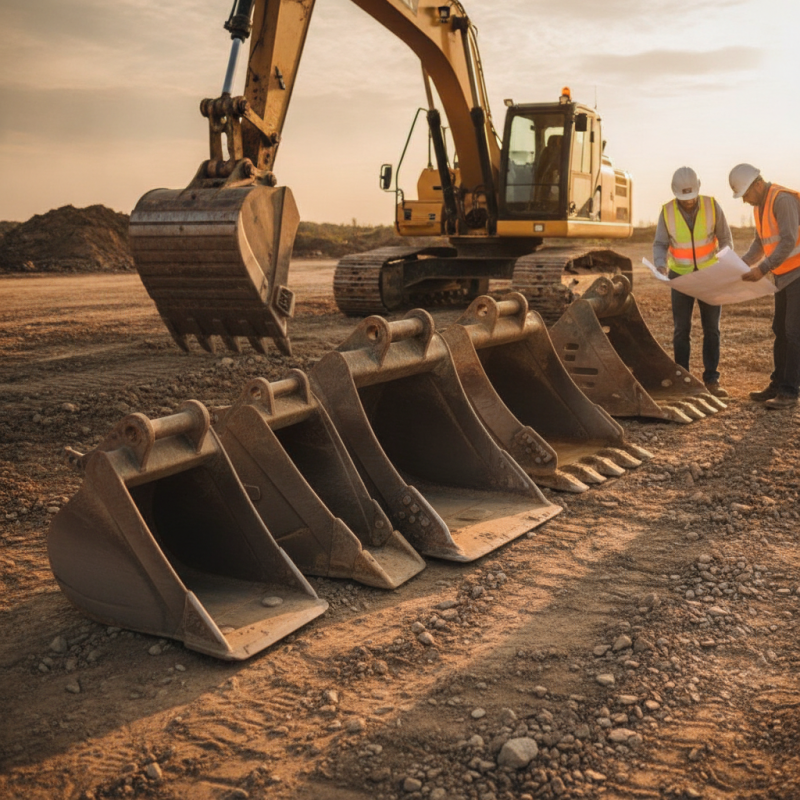
Understanding Different Types of Excavator Buckets Available in the Market
Choosing the right excavator bucket can significantly impact project efficiency. The market offers various types, each designed for distinct applications. For instance, a general-purpose bucket is ideal for digging and moving soil. According to industry data, it accounts for about 40% of excavator bucket sales.
Specialty buckets cater to more specific functions. A trenching bucket, with its narrow design, excels in creating precise trenches. These buckets are vital in utility work, where accuracy is crucial. Interestingly, a report by the Construction Industry Research Board found that the demand for trenching buckets has surged by 25% in the last two years alone.
Understanding your needs is essential. If your work involves heavy materials, a rock bucket featuring a reinforced structure offers durability. However, the increased weight can affect overall machine performance. Always assess how each type aligns with your project requirements. This will ensure you choose the most suitable bucket for the task at hand.
Evaluating the Size and Capacity Requirements for Your Excavator
When selecting the right excavator bucket, understanding size and capacity is crucial. The bucket's capacity directly impacts its performance. Make sure it matches the excavator’s specifications. A bucket too large can strain the machine, while one too small may not handle tasks efficiently.
Consider factors like the type of material you'll be digging. For lighter materials like sand, a wider bucket can be beneficial. For dense materials, a narrower, stronger bucket may be more effective. Measure the dimensions of your excavator’s arm; this ensures compatibility and optimal function.
Tips: Always check the weight limit for the excavator. Heavy loads can lead to mechanical issues. Think about how often you'll use the bucket for heavy jobs. Frequent overloading can shorten its lifespan, leading to potential failures. A review of past projects can guide you in choosing the correct bucket size for specific tasks. Balancing these aspects is essential for achieving efficiency and safety.
Assessing Soil and Material Types for Optimal Bucket Performance
When selecting excavator buckets, understanding soil and material types is crucial. Different materials require specific bucket designs to function effectively. For example, clay, sand, and gravel behave differently under excavation. A bucket that works well in loose sand may fail in dense clay. Assessing the soil condition beforehand can prevent inefficient operations.
Consider the granularity and moisture content of the materials. Saturated soils can lead to increased weight, affecting digging efficiency. Selecting a bucket with the right teeth will enhance penetration in compacted soils. This detail may seem minor but can significantly influence performance.
Furthermore, the bucket's shape matters too. A wide bucket may hold more volume but could struggle in rocky terrain. Conversely, a narrow bucket excels in tight spaces but may require more passes to achieve the same amount of work. It's essential to match the bucket style to your primary tasks. Neglecting these details can lead to higher costs and project delays.
How to Choose the Right Excavator Buckets for Your Needs? - Assessing Soil and Material Types for Optimal Bucket Performance
| Soil / Material Type |
Recommended Bucket Type |
Bucket Width (inches) |
Weight Capacity (lbs) |
Application |
| Clay |
Standard Bucket |
36 |
3,000 |
Digging |
| Sand |
Wide Bucket |
48 |
2,500 |
Grading |
| Rock |
Rock Bucket |
30 |
4,500 |
Excavation |
| Topsoil |
General Purpose Bucket |
42 |
3,500 |
Landscaping |
| Silt |
Trapezoidal Bucket |
30 |
3,200 |
Ditching |
Determining the Right Attachment Features for Your Excavator Buckets
Choosing the right attachment features for excavator buckets is crucial for efficiency. Various tasks require different bucket designs. A digging bucket, for instance, is ideal for earthworks. Its broader shape helps in moving large volumes of material quickly.
When considering attachment features, size matters. A larger bucket can handle more material but may reduce precision. Smaller buckets provide better control for detailed work, like trenching. Additionally, the tooth design impacts cutting efficiency. Though general-purpose teeth work well, specific tasks may need sharper edges or even a flat profile to minimize drag.
Reflecting on your specific job requirements is vital. Have past buckets failed to meet your needs? If yes, analyze why. Maybe the size was off. Or perhaps the teeth did not match the material type. Learn from past mistakes to make better choices. This process helps in selecting attachments that truly enhance performance.
Budgeting and Sourcing: Where to Buy Excavator Buckets Wisely
When it comes to sourcing excavator buckets, understanding your budget is crucial. A recent industry report suggests that the average cost of excavator buckets can range from $1,000 to $5,000, depending on size and material. This significant difference underscores the importance of aligning your choice with your project requirements. Engaging with local suppliers can often provide the best deals. Networking with construction professionals in your area might reveal hidden gems in sourcing options.
Research is essential when deciding where to buy. Online platforms often offer competitive pricing, but quality can differ significantly. Observations from industry experts indicate that many contractors face issues with low-cost buckets that don't last. It's wise to review customer feedback on sourcing platforms. Additionally, consider used buckets. They can be a budget-friendly alternative, provided they are inspected thoroughly. Investing time in research can lead to better purchasing decisions, avoiding potential pitfalls. Balancing cost and quality should guide your choices.
Conclusion
When selecting the right excavator buckets for your needs, it’s essential to understand the diverse types available in the market. Different buckets serve various purposes, from trenching to grading, so assessing the specific tasks you aim to accomplish is crucial. Additionally, consider the size and capacity requirements compatible with your excavator to ensure optimal performance.
Evaluate the soil and material types you're working with, as certain buckets perform better in specific conditions. The attachment features of the buckets, such as teeth style and side cutters, can also enhance functionality. Lastly, budgeting wisely and sourcing your excavator buckets from reputable suppliers will ensure you get the best value for your investment, catering to both your operational requirements and economic considerations.
 Wings Machinery
