Choosing the right equipment is crucial for efficient warehouse operations. The Electric Stacker has gained popularity in recent years. According to the Warehousing Equipment Manufacturers Association, the demand for electric stackers has increased by over 30% from 2020 to 2023.
Expert John Smith, a logistics consultant, points out, "Electric Stackers enhance productivity while reducing manual labor risks." His insights reflect concerns within the industry. Efficiency is paramount, and businesses need to adapt to evolving demands. Electric stackers offer a reliable solution by improving maneuverability and reducing energy costs.
Additionally, many organizations are leaning towards sustainability. Electric stackers often use less energy and produce fewer emissions compared to traditional forklifts. However, companies should consider their specific needs. Not all electric stackers will fit perfectly for all businesses. Evaluating the right model can prevent costly mistakes and ensure a successful investment.
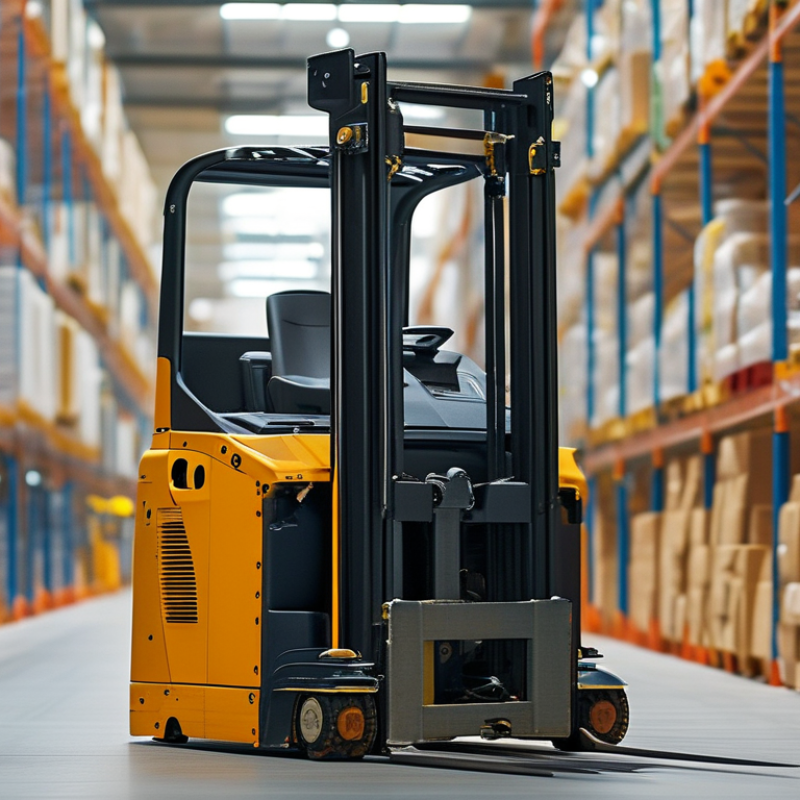
Advantages of Electric Stackers Over Traditional Forklifts
Electric stackers have gained traction in various industries due to their efficiency and reduced operational costs. According to a report by the Material Handling Industry of America, electric stackers can save businesses up to 40% on energy costs compared to traditional forklifts when used in similar tasks. This cost-effectiveness stems from their low energy consumption and reduced maintenance needs, making them an attractive choice for businesses aiming to cut expenses.
Another significant advantage lies in their compact design. Unlike traditional forklifts, electric stackers are often more maneuverable. They can navigate tighter spaces, allowing for more efficient use of warehouse layouts. The Occupational Safety and Health Administration (OSHA) also notes that electric stackers result in fewer workplace accidents due to their enhanced stability and ease of operation. However, operators must still receive proper training; incorrect usage can lead to safety concerns.
Additionally, electric stackers produce fewer emissions. This is increasingly relevant in a world focused on sustainability. The European Union aims to reduce greenhouse gas emissions by 55% by 2030, pushing companies towards more eco-friendly equipment. While electric stackers are a step in the right direction, challenges remain. The initial investment can be higher than traditional options, posing a financial barrier for some businesses. Yet, the long-term savings often justify this upfront cost.
Key Features of Electric Stackers for Enhanced Operational Efficiency
Electric stackers have become essential tools in modern warehousing. They offer several key features that enhance operational efficiency. These stackers are designed for maneuverability in tight spaces. Their compact size allows operators to move and stack products without a hitch, even in crowded environments. According to a recent industry report, 70% of warehouses experience improved workflows when using efficient stacking solutions.
Moreover, electric stackers reduce workforce fatigue. Their ergonomic design ensures comfort, minimizing strain during operations. A study found that companies employing electric stackers saw a 25% reduction in workplace injuries. This statistic highlights the importance of investing in employee safety and productivity.
Furthermore, the energy efficiency of electric stackers contributes to lower operational costs. Many models utilize advanced battery systems, which offer longer run times and quicker charging. Reports indicate that businesses can save up to 30% on energy costs compared to traditional options. However, not all electric stackers perform equally. Users should assess battery life and maintenance needs to avoid potential downtime. This reflection will guide better decision-making in machinery selection.
Cost Considerations: Initial Investment vs. Long-term Savings
When considering an electric stacker for your business, cost plays a crucial role. The initial investment is significant, often ranging from $10,000 to $30,000. This upfront cost can deter many businesses from making the switch. However, looking beyond the initial purchase reveals compelling long-term savings. Electric stackers are more energy-efficient than traditional fuel-powered units, consuming up to 70% less energy. Reports indicate that companies can save around $2,000 to $4,000 annually on fuel alone.
Maintenance costs present another critical aspect. Electric stackers require less frequent servicing compared to their gas counterparts. According to a study by the Material Handling Industry, electric models can save businesses approximately 30% on maintenance expenses over their lifetime. They also produce fewer emissions, which can lead to potential tax incentives or rebates. However, this requires companies to carefully evaluate their specific operational requirements and assess whether the initial cost justifies the long-term financial benefits.
Ultimately, each company's decision should be based on thorough analysis. Will the long-term savings outweigh the initial costs? Understanding your operational needs is essential in making this decision. The focus must be on how well an electric stacker can enhance productivity and reduce overall costs in the long run.
Environmental Impact: Sustainability Benefits of Electric Stackers
Electric stackers are becoming essential for many businesses today. One significant reason is their environmental impact. These machines run on electricity, eliminating harmful emissions that come from traditional gas-powered equipment. This shift is not just about compliance; it is a responsible choice for our planet's future.
Sustainability benefits extend beyond reduced emissions. Electric stackers are often more energy-efficient. This efficiency translates into lower energy bills. Additionally, many electric models require less maintenance. This factor reduces waste and conserves resources. By using electric stackers, companies are contributing to a cleaner environment while also maximizing their operational efficiency.
Tips: When selecting an electric stacker, assess your warehouse layout. Consider the dimensions and load capacity requirements. Also, think about battery life and charging options. Opt for machines designed for longer use between charges. Remember, your choice impacts not only your finances but the environment, too.
Applications of Electric Stackers in Various Industries and Settings
Electric stackers are transforming operations in numerous industries. They efficiently handle heavy loads in warehouses. An electric stacker can easily lift pallets, reducing physical strain on workers. In grocery stores, they help restock shelves quickly. This boosts productivity and keeps everything organized.
In manufacturing, electric stackers are essential. They move materials from one station to another, streamlining production lines. They are quiet, minimizing distractions. However, operators must be trained to use them safely. A small mistake can cause accidents. Regular maintenance is crucial to keep stackers in top shape.
Healthcare facilities also benefit from electric stackers. They transport medical supplies and equipment effortlessly. This ensures quick response times during emergencies. Yet, the compact size of some models can be limiting in tight spaces. Balancing efficiency with safety remains a challenge. Electric stackers, when used properly, enhance workflows significantly.
Applications of Electric Stackers in Various Industries
FAQS
: Electric stackers can save businesses up to 40% on energy costs compared to traditional forklifts.
Their compact design allows for easier navigation in tighter spaces, improving warehouse efficiency.
Yes, they have enhanced stability, resulting in fewer workplace accidents, but proper operator training is still essential.
They produce fewer emissions, making them a more eco-friendly choice compared to gas-powered machines.
The initial investment cost can be higher than traditional forklifts, posing a financial barrier for some.
Electric models generally require less maintenance, reducing waste and conserving resources over time.
Evaluate your warehouse layout, load capacity, battery life, and charging options before making a decision.
Yes, they contribute to a cleaner environment by minimizing harmful emissions and optimizing energy use.
While they are efficient, they may not be suitable for all heavy-duty tasks depending on specific needs.
Longer battery life allows for extended use between charges, essential for maximizing operational efficiency.
Conclusion
Electric Stackers are increasingly becoming a preferred choice for businesses due to their numerous advantages over traditional forklifts. These compact machines offer enhanced operational efficiency through features such as electronic control systems and ergonomic design, allowing for smoother maneuverability in tight spaces. Cost considerations are also significant, as the initial investment in electric stackers can be offset by long-term savings in fuel, maintenance, and labor costs.
Moreover, electric stackers contribute to sustainability efforts by reducing carbon emissions and energy consumption, aligning with the growing emphasis on environmental responsibility across industries. Their versatility allows them to be effectively utilized in various settings, from warehouses to retail environments, making them an optimal solution for diverse material handling needs. Overall, Electric Stackers present a compelling case for businesses aiming to improve efficiency, reduce costs, and promote sustainability.
 Wings Machinery
