Wings Machinery Wings Machinery

Why Choose a Telescopic Forklift for Your Business Needs?

Time:2026-05-07 Author:Ethan
0%

In today’s competitive landscape, choosing the right equipment is crucial for operational efficiency. A Telescopic Forklift stands out due to its versatility and reach. According to a report by Material Handling Industry, the use of telescopic forklifts has increased by 25% in the past five years, indicating their growing importance in various industries.

Expert James Thompson, a leading authority in equipment logistics, states, “A Telescopic Forklift can significantly enhance productivity, especially in challenging environments.” These machines provide exceptional lift height and load capacity. Facilities that embrace this technology often see improvements in project timelines and safety standards.

However, it’s essential to approach this decision carefully. Not all businesses may require the advanced features of a Telescopic Forklift. Conducting a thorough needs assessment is critical. Investing without understanding potential downsides can lead to unnecessary costs. Evaluating your unique requirements could guide you to the best choice for your operational needs.
Why Choose a Telescopic Forklift for Your Business Needs?

Benefits of Using a Telescopic Forklift in Different Industries

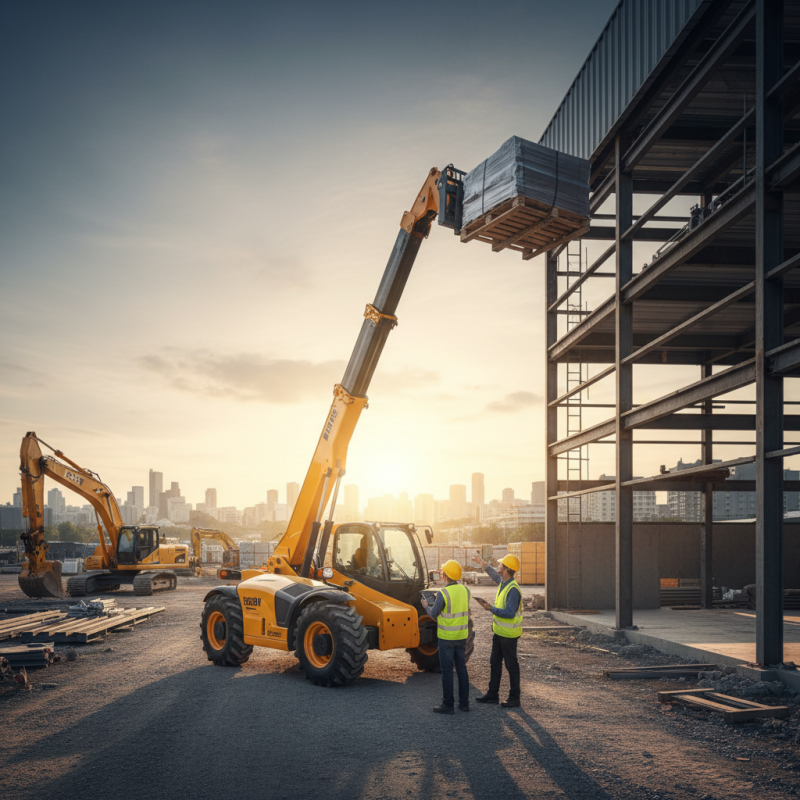
Telescopic forklifts are revolutionizing various industries due to their versatility and enhanced capabilities. In construction, these machines excel in lifting heavy materials to elevated sites. The adjustable boom allows for optimal reach, making it easy to handle tasks at varying heights. This feature significantly reduces the risk of accidents caused by manual lifting. The compact design also allows for maneuverability in tight spaces, which is crucial on busy job sites.

In agriculture, telescopic forklifts facilitate efficient handling of bulk materials, like feed or grains. With the ability to extend and retract, they can access hard-to-reach loads. This capability aids farmers in streamlining operations, saving time and labor costs. However, operators must ensure they are trained to use these machines properly. Overextension can lead to tipping, highlighting the importance of adhering to safety guidelines.

In warehousing and logistics, telescopic forklifts improve productivity by allowing operators to stack goods higher. The impressive lifting capacity improves space utilization and helps maintain organized inventory. Still, there are challenges. These machines can be costly to maintain over time. Regular inspections and training programs are essential for maximizing their benefits while minimizing risks. Employing expert operators can make a significant difference in outcomes.

Key Features of Telescopic Forklifts That Enhance Business Efficiency

Telescopic forklifts are becoming increasingly popular in various industries. Their unique design allows for better reach and versatility compared to traditional forklifts. According to a report by the Occupational Safety and Health Administration (OSHA), these machines can increase loading and unloading efficiency by up to 25%. This efficiency is crucial for businesses looking to maximize productivity.

One of the key features of telescopic forklifts is their extended reach. This capability enables operators to lift materials higher and farther than standard forklifts. Moreover, their ability to maneuver in tight spaces makes them ideal for construction sites or warehouses. They can handle loads ranging from 4,000 to 10,000 pounds, depending on the model, making them highly adaptable.

**Tip:** Ensure proper training for operators. Misuse can lead to accidents, impacting overall safety. Regular maintenance checks are also essential to uphold performance and safety standards. One study noted that 70% of accidents involve operator error. Operators must be familiar with all machine capabilities, including load limits.

Flexibility is another standout feature. Many units offer attachments for different tasks, whether it be lifting, digging, or moving materials. This versatility eliminates the need for multiple machines, saving costs in the long run. However, understanding load stability is key. Overloading can severely compromise the machine's function. Always assess the weight and balance before use.

Why Choose a Telescopic Forklift for Your Business Needs?

Comparative Analysis: Telescopic Forklifts vs. Traditional Forklifts

Telescopic forklifts offer unique advantages compared to traditional forklifts. They can reach higher elevations and extend further. This makes them ideal for construction sites. Imagine needing to lift heavy items to the top of a building. A telescopic forklift can reach that height, while a traditional forklift would struggle.

Traditional forklifts have limitations in reach and versatility. They excel in tight spaces but can’t match the telescopic forklift's ability to extend. For businesses that require flexibility, investing in a telescopic model is essential. However, they often require more training to operate effectively. Operators must be skilled to handle these machines safely.

Cost is another factor to consider. Telescopic forklifts tend to be more expensive. Maintenance can also be more complex due to their advanced technology. Not every business may need such capabilities. Reflecting on specific needs will guide the best choice. Each option has strengths and weaknesses that require careful evaluation.

Factors to Consider When Choosing a Telescopic Forklift for Your Needs

When choosing a telescopic forklift for your business needs, there are several important factors to consider. One key aspect is the lifting capacity. Assess the weight of the loads you'll be handling. It's vital to select a model that can accommodate your heaviest items. Overloading a forklift can lead to accidents and damage.

Another essential factor is the working height. Understand the maximum height your telescopic forklift needs to reach. This is particularly crucial for construction and warehouse tasks. Ensure the model you choose meets those height requirements to avoid any operational limitations.

**Tips:** Always test drive the forklift before purchasing. This helps you identify any comfort issues or visibility concerns. Consider the turning radius, especially if you have tight spaces. Lastly, training is vital. Ensure your operators are well-trained in using the equipment safely and efficiently. Proper training can make a significant difference in workplace safety.

Why Choose a Telescopic Forklift for Your Business Needs?

Factor Description Importance
Lift Height The maximum height the forklift can lift loads. High
Load Capacity The maximum weight the forklift can safely lift. High
Reach The horizontal distance the forklift can extend. Medium
Maneuverability How easily the forklift can navigate tight spaces. High
Stability The ability to remain upright while handling loads. Critical
Fuel Type Type of fuel used, such as diesel, electric, or LPG. Medium
Safety Features Built-in features to ensure operator safety. High
Maintenance Requirements Frequency and complexity of maintenance tasks needed. Medium

Maintenance Tips for Ensuring Longevity of Telescopic Forklifts

Telescopic forklifts are valuable for many businesses, especially in construction and agriculture. To keep them running effectively, maintenance is key. Regular checks on crucial components can significantly extend the lifespan of these machines.

One important tip is to inspect the hydraulic system regularly. Look for leaks and ensure fluid levels are adequate. Low hydraulic fluid can lead to performance issues and may cause damage over time. Another tip is to clean the forks and other attachments after use. Dirt and debris can lead to wear and affect the forklift’s performance. Regular cleaning helps maintain both function and appearance.

Don’t overlook the importance of a well-planned maintenance schedule. Set reminders for routine services, such as oil changes and filter replacements. This can prevent unexpected breakdowns and costly repairs. Maintaining a log of maintenance work can also be useful, helping identify patterns that may need addressing. Keeping records fosters accountability and thoroughness in maintenance practices.

FAQS

: What advantages do telescopic forklifts have over traditional forklifts?

: Telescopic forklifts reach higher and extend further, ideal for construction tasks. They excel in versatility.

What is the typical lifting capacity of telescopic forklifts?

They can handle loads between 4,000 to 10,000 pounds, depending on the model and task requirements.

How can telescopic forklifts improve business efficiency?

They can enhance loading and unloading efficiency by up to 25%, boosting overall productivity.

What should be considered when selecting a telescopic forklift?

Assess the lifting capacity, maximum working height, and ensure it suits your specific operational needs.

Why is operator training important for telescopic forklifts?

Proper training reduces accidents. Approximately 70% of accidents are due to operator error.

Are telescopic forklifts more expensive to maintain than traditional ones?

Yes, they often have more complex maintenance needs due to advanced technology.

Can telescopic forklifts handle various tasks?

Yes, many models allow for different attachments, boosting their functionality on-site.

How should one assess load stability?

Always evaluate weight and balance before use to avoid compromising machine functions.

What should businesses consider about space when using telescopic forklifts?

Their maneuverability in tight spaces is advantageous but may require proper turning radius assessments.

Is it necessary to test drive a telescopic forklift before buying?

Yes, testing helps identify comfort and visibility issues, ensuring a suitable operational choice.

Conclusion

A telescopic forklift is an invaluable asset for various industries due to its versatility and efficiency. The benefits of using a telescopic forklift include enhanced lifting capabilities, maneuverability in tight spaces, and the ability to handle a variety of loads, making it ideal for construction, agriculture, and warehousing. Key features such as extendable arms and advanced stability systems significantly improve business operations by facilitating faster and safer material handling.

When comparing telescopic forklifts to traditional forklifts, the former often outperforms in terms of reach and load flexibility. However, businesses should consider several factors before purchasing, including load capacity, lifting height, and the specific demands of their operations. Additionally, regular maintenance is essential to ensure the longevity of telescopic forklifts, helping businesses maximize their investments while maintaining safety and efficiency on the job site.

Ethan

Ethan

Ethan is a seasoned marketing professional with a deep expertise in our company's innovative product line. With a passion for sharing knowledge and insights, he takes the lead in regularly updating our corporate blog, where he explores industry trends, product features, and effective marketing......