
Wings Machinery Wings Machinery

Why Choose a Telescopic Forklift for Your Business Needs?

Time:2026-08-18 Author:Charlotte
0%

In the fast-evolving landscape of material handling, the Telescopic Forklift stands out as a versatile tool for businesses. According to industry expert John Smith, “A Telescopic Forklift can revolutionize the way we approach lifting and transport.” This type of equipment offers significant advantages, particularly in tight spaces and uneven terrain, which are common in construction and agricultural sectors.

The design of a Telescopic Forklift allows it to extend its reach, making it ideal for stacking materials at great heights. Its ability to maneuver in confined locations is invaluable. However, some businesses overlook the importance of proper training. Operators must be skilled to harness the full potential of these machines safely.

Reliability is crucial, especially during peak operations. Choosing the right Telescopic Forklift can lead to improved efficiency and reduced downtime. Yet, some operators might find it challenging to adapt initially. This transitional period requires patience and thorough training to ensure optimal use. Investing in a quality Telescopic Forklift can greatly benefit your business operations, but it is essential to foster a culture of continuous learning and safety awareness.
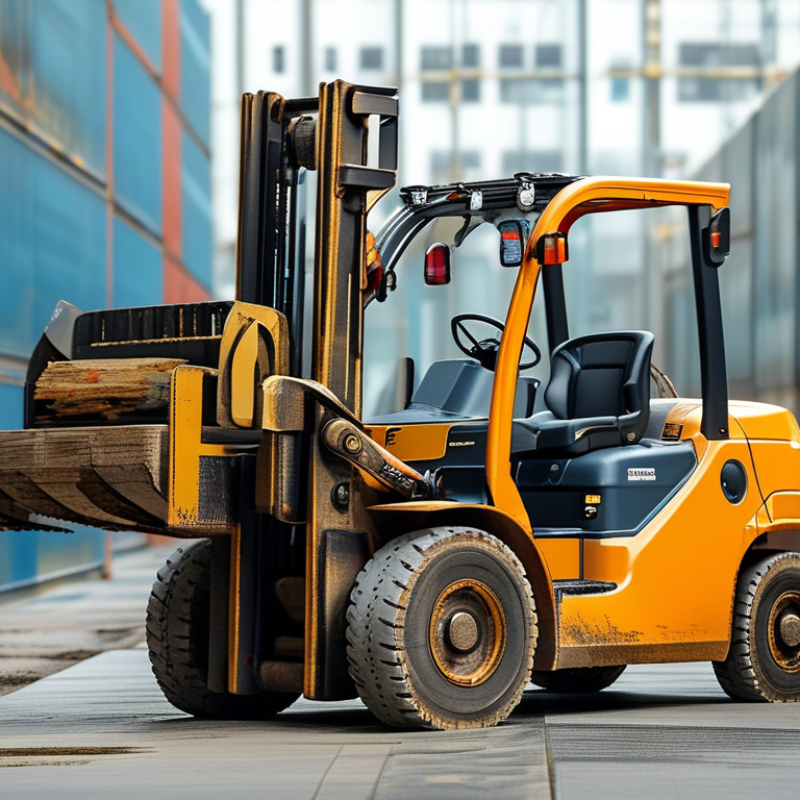
Why Choose a Telescopic Forklift for Your Business Needs?

Benefits of Telescopic Forklifts for Diverse Industries

Telescopic forklifts are becoming essential tools in various industries. Their adaptability allows them to meet diverse business needs. According to a report by Grand View Research, the telescopic forklift market is expected to grow at a compound annual growth rate (CAGR) of 5.1% from 2021 to 2028. This growth reflects the increasing demand for efficient material handling solutions in sectors like construction, agriculture, and logistics.

In construction, telescopic forklifts can lift loads up to 60 feet high. This capability is vital for managing heavy materials on job sites. The ability to reach high places can cut down on time and labor costs. In agriculture, these forklifts help transport supplies across uneven terrain. However, operators require training to handle complex boom extensions efficiently. A lack of training can lead to accidents, underscoring the need for experienced staff.

In logistics, speed and maneuverability are crucial. Telescopic forklifts can switch between roles quickly. This versatility minimizes downtime and improves productivity. Despite their advantages, businesses must analyze their specific needs. Not every application requires the lifting height of a telescopic forklift. Some operations may be better served by standard forklifts. Careful consideration is essential to maximize efficiency and safety.

Benefits of Telescopic Forklifts Across Industries

Key Features to Consider When Selecting a Telescopic Forklift

When selecting a telescopic forklift, several key features stand out as essential for optimizing operational efficiency. Load capacity is paramount. Most models range from 4,000 to 12,000 pounds, catering to various industrial needs. Analyzing your operational requirements will ensure you select the right capacity for your tasks.

Another critical factor to consider is lift height. Telescopic forklifts can reach heights exceeding 50 feet. This versatility is essential for construction sites or warehouses with high shelving. Additionally, stability is crucial. Reports indicate that nearly 30% of forklift accidents result from tipping. Opting for a model with advanced stabilization systems can enhance safety and productivity.

Finally, analyze the ease of maintenance and support from service providers. According to industry reports, regular maintenance reduces downtime by up to 20%. An efficient maintenance plan allows for more productive operation. Choosing a forklift with readily available replacement parts is vital to keeping operations smooth. These considerations can have lasting impacts on your business, shaping your workflow and safety standards.

Cost-Effectiveness and Return on Investment of Telescopic Forklifts

When considering machinery for construction and logistics, telescopic forklifts emerge as a strong option. They offer remarkable versatility, dramatically increasing productivity. According to a report by the International Institute of Forklift Technology, businesses using these forklifts have reported productivity boosts of up to 20%. Such efficiency can lead to significant cost savings over time.

Cost-effectiveness is a critical factor in the decision-making process. A study by the Forklift Manufacturers Association revealed that telescopic forklifts allow companies to reduce labor costs by around 15% through their efficiency. These machines can operate in various environments, from tight spaces to rugged terrain, eliminating the need for multiple types of equipment. This multifunctionality further improves Return on Investment (ROI). However, initial investment costs can be higher than standard forklifts, leading some businesses to reconsider their choices.

Maintenance costs are another area for reflection. While telescopic forklifts generally have lower long-term operating costs, routine care can be expensive. Understanding these nuances is vital for business owners. Businesses should carefully assess their needs, considering both upfront costs and potential savings. Balancing immediate expenses with longer-term advantages will help in making informed decisions.

Safety Considerations and Training for Telescopic Forklift Operators

When considering the use of telescopic forklifts, operator safety is paramount. These machines can reach significant heights and extend their reach, making them valuable in various industries. However, the height and flexibility present unique risks. Operators must be well-trained to manage these challenges effectively. Proper understanding of the machinery is crucial for safe operation.

Training programs for telescopic forklift operators should focus on real-world scenarios. Operators must learn to assess their working environment, recognize potential hazards, and respond appropriately. Hands-on practice is vital. Simulated situations can prepare many for unexpected events. Awareness of load limits, stability, and proper techniques can greatly reduce risks.

Regular safety meetings and refreshers are necessary. Operators might forget crucial safety protocols over time. Encouraging open discussions about safety experiences can foster a culture of vigilance. Seeking feedback from operators can also highlight areas needing improvement. Continued education is a commitment to safety and efficiency in operations.

Why Choose a Telescopic Forklift for Your Business Needs? - Safety Considerations and Training for Telescopic Forklift Operators

Feature Description Safety Consideration Training Requirement
Versatility Capable of lifting and moving materials in various configurations. Ensure operators understand load limits and stability. Operators must complete specialized training programs.
Height Reach Can reach heights up to 20 feet or more depending on the model. Risk of fall hazards; use harnesses when necessary. Training on safe operation at height is essential.
Maneuverability Easy to navigate in tight spaces. Operators should be trained on spatial awareness. Regular refresher training recommended.
Attachments Can be customized with various attachments for different tasks. Proper attachment use must be understood to avoid accidents. Training on specific attachments is beneficial.
Load Capacity Typically ranges from 5,000 to 12,000 pounds. Exceeding load capacity can lead to tipping over. Mandatory training on capacity limits for operators.

Maintenance Tips for Ensuring Longevity of Telescopic Forklifts

When it comes to maintaining telescopic forklifts, routine checks and maintenance cannot be overlooked. Regular inspections play a crucial role in ensuring safe operation. Check fluid levels frequently. Keeping the hydraulic fluid topped up helps in smooth operation. Look at the engine oil too. Dirty oil can limit performance and damage internal components.

Tires and forks also deserve attention. Inspect tires for wear and tear. Unevenly worn tires can lead to unstable lifting. Forks should be checked for bends or cracks. Any damage can pose a safety risk. Do not forget about cleaning. Keeping the forklift clean not only improves visibility but also helps in identifying potential issues early.

Don’t underestimate the power of training. Ensure your operators understand how to handle and maintain the equipment properly. Breakdowns often stem from operator errors. Encourage regular feedback from your team. This promotes a shared responsibility for care and maintenance. Remember, neglecting these aspects could mean costly repairs down the line.

FAQS

: What is the importance of load capacity when selecting a telescopic forklift?

: Load capacity is crucial. It typically ranges from 4,000 to 12,000 pounds, affecting operational efficiency.

How high can telescopic forklifts lift?

These forklifts can reach heights over 50 feet, making them ideal for tall warehouses and construction sites.

Why is stability a critical feature in telescopic forklifts?

Stability is vital to prevent accidents. Reports show around 30% of forklift incidents are due to tipping.

How does maintenance impact the operation of telescopic forklifts?

Regular maintenance can reduce downtime by up to 20%. It is essential for keeping operations efficient and productive.

What are the cost benefits of using telescopic forklifts?

They can increase productivity by up to 20% and reduce labor costs by around 15%, improving overall ROI.

What should training for forklift operators focus on?

Training must cover real-world scenarios, hazard recognition, and safe operation techniques to ensure operator safety.

How often should safety meetings be held for forklift operators?

Regular safety meetings and refreshers are necessary to keep safety protocols fresh in operators' minds.

What are the potential drawbacks of telescopic forklifts?

They often have higher initial costs and maintenance can be expensive, requiring careful financial evaluation.

How can businesses ensure operator awareness and safety?

Encouraging feedback and open discussions about safety can improve overall awareness and reduce risks on the job.

Why is hands-on practice important in training programs?

Hands-on practice prepares operators for unexpected situations and ensures they understand their equipment fully.

Conclusion

Telescopic forklifts are versatile equipment that provide significant advantages across various industries. Their ability to reach high elevations and extend to large loads makes them ideal for construction, agriculture, and warehousing. When selecting a telescopic forklift, it's crucial to consider key features such as lifting capacity, maneuverability, and attachment options. These factors not only enhance operational efficiency but also contribute to the overall cost-effectiveness and return on investment for businesses.

Safety is paramount when operating telescopic forklifts, necessitating comprehensive training for operators to mitigate risks. Regular maintenance is equally important to ensure the longevity and reliability of the equipment. By understanding the benefits and essential considerations of telescopic forklifts, businesses can make informed decisions that enhance productivity and safety in their operations.

Charlotte

Charlotte

Charlotte is a seasoned marketing professional with a deep understanding of the company's portfolio and a passion for elevating its presence in the market. With a keen eye for detail and a commitment to excellence, she ensures that our professional blog is regularly updated with insightful articles......