
Wings Machinery
As the logistics industry evolves, the demand for efficient and reliable machinery increases. In 2026, selecting the best forklift engine will be crucial for businesses aiming to enhance productivity. According to a recent report by the Industrial Truck Association, nearly 80% of companies prioritize fuel efficiency in their machinery purchases. This shift emphasizes the importance of adopting advanced forklift engine technology.
Forklift engine options are diversifying, driven by innovations in both electric and internal combustion engines. These advancements offer better performance while meeting stricter environmental regulations. Research indicates that electric forklift models are gaining a significant market share due to their lower operational costs and reduced emissions. However, some users may still favor traditional internal combustion engines for heavy-duty applications where power is essential.
Despite these trends, there are still challenges to consider. Not all forklift engines suit every operational environment. Businesses must closely evaluate engine specifications and total cost of ownership. Ultimately, the right forklift engine can lead to improved efficiency and sustainable practices in material handling.
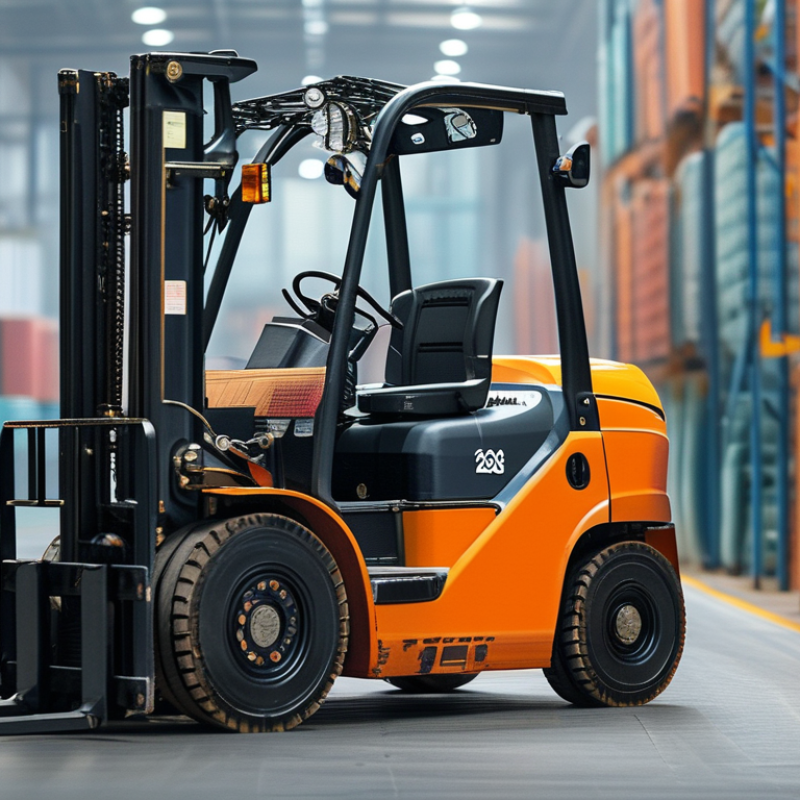
As we look toward 2026, the landscape of forklift engines is evolving. Electrification is becoming a major trend. Electric engines offer cleaner operation and lower maintenance costs. They are quieter and more efficient. However, their range and charging times can be limiting. Businesses must assess if these drawbacks are acceptable for their operations.
Internal combustion engines are still relevant. They provide powerful performance for heavy loads. These engines thrive in rugged environments where electric options may falter. But they come with higher emissions and fuel costs. Operators need to weigh these factors against their operational needs.
Efficiency is crucial for choosing the right forklift engine. Training staff on usage and maintenance can enhance performance. Sometimes, mixed fleets can be beneficial. This allows companies to harness the strengths of both electric and combustion engines. Companies should focus on integral features like fuel efficiency and overall performance. The right engine choice can drive productivity.
When considering the best forklift engine options for 2026, internal combustion engines (ICE) continue to impress due to their power and versatility. These engines utilize fuels like propane, diesel, or gasoline, providing robust performance across various operational needs. They excel in outdoor environments, where heavy loads require reliable power and longevity. According to a study by the Forklift Industry Association, ICE forklifts make up about 70% of the market, highlighting their significance in industrial operations.
One notable feature is the improved efficiency of modern engines. Many ICE forklifts now uphold stringent emissions standards while enhancing fuel efficiency. Industry reports show that some models can achieve up to 30% better fuel consumption compared to older variants. This makes them economically appealing and environmentally compliant.
**Tip**: Performing regular maintenance on your forklift engine can prevent costly downtime. Simple tasks like replacing fuel filters and checking oil levels are crucial for optimal performance.
Despite these advancements, there's room for improvement. Users often report challenges related to noise and vibrations in ICE forklifts. Ergonomic designs and noise reduction technologies are becoming necessary features as companies focus on operator comfort. Balancing the benefits of power with the need for a quieter environment is a challenge that manufacturers must address moving forward.
**Tip**: Always assess the operational environment before choosing an engine type. Each setting has its unique demands that can influence performance and safety.
| Engine Type | Power Output (HP) | Fuel Type | Emissions Rating | Torque (lb-ft) | Efficiency Rating (%) |
|---|---|---|---|---|---|
| LPG Engine | 50-70 | Liquefied Petroleum Gas | Low | 150-200 | 85% |
| Diesel Engine | 60-80 | Diesel | Moderate | 200-250 | 80% |
| Gasoline Engine | 45-65 | Gasoline | High | 120-170 | 78% |
| Hybrid Engine | 55-75 | Hybrid (Gas & Electric) | Very Low | 160-210 | 90% |
| Electric Engine | Varies | Electric | Zero | Varies | 95% |
As we look toward 2026, electric forklift engines are gaining attention. Their quiet operation is a standout feature. This attribute allows for use in environments where noise regulations are strict. Electric models generally produce lower emissions, aligning with growing environmental standards. That's appealing to companies prioritizing sustainability.
Another critical aspect is maintenance. Electric forklifts often require less frequent maintenance than their internal combustion counterparts. This can lead to cost savings over time. However, battery life and charging infrastructure are challenges that need addressing. Businesses may need to invest in upgrades to facilities to accommodate charging stations.
Performance remains a focal point. Electric engines provide instant torque, enhancing productivity. However, operators may need training to adapt to the different handling characteristics. While there are clear advantages, like any technology, electric forklifts come with limitations and necessary adjustments in operations. Balancing these factors will be crucial for businesses in their equipment choices moving forward.
Hybrid forklift engine systems are gaining traction in the industry for 2026. These systems combine electric and internal combustion technologies to optimize performance. According to a recent industry report, hybrid forklifts can improve fuel efficiency by up to 30%. This efficiency is crucial as businesses seek to reduce operational costs and comply with stricter emissions regulations.
The use of hybrid systems also addresses the need for versatility. Electric power provides quiet operation and reduces vibration. In contrast, the internal combustion engine offers the necessary power for heavy lifting tasks. A study revealed that hybrid forklifts can significantly reduce downtime. They can switch between power systems seamlessly, making them ideal for varied operational demands.
However, the adoption of hybrid systems isn't without challenges. Initial investment costs can be high, and maintenance requires specialized knowledge. Operators need training to handle the complexities of hybrid technologies. Moreover, the availability of infrastructure to support charging remains a concern. Industry experts suggest a phased approach in adopting hybrid systems to mitigate these risks while reaping the benefits of enhanced efficiency.
As environmental regulations tighten, forklift engine options are rapidly changing. By 2026, companies must think about their impact on the planet. New regulations aim to reduce emissions and enhance fuel efficiency. This will affect how businesses choose forklift engines.
Many industries are moving towards electric and hybrid models. These engines typically produce fewer emissions than traditional diesel engines. However, not all electric solutions fit every operation. Charging infrastructure may pose challenges for some companies. Additionally, battery life and performance under heavy loads require careful consideration.
The shift to sustainable engines might seem straightforward, but it isn't. Businesses must weigh the upfront costs against long-term savings. Performance can vary based on application and environment. Companies need to reevaluate their needs frequently and remain flexible. Understanding both environmental duties and operational demands will be key in making informed forklift engine choices.
: ICE forklifts use fuels like propane, diesel, or gasoline for power.
Many modern ICE forklifts meet strict emissions standards and improve fuel efficiency by 30%.
Regularly replacing fuel filters and checking oil levels is crucial for performance.
Users report issues with noise and vibrations in ICE forklifts, needing ergonomic designs.
Electric engines operate quietly and produce lower emissions, fitting stricter noise regulations.
Electric forklifts generally require less frequent maintenance, leading to potential cost savings.
Battery life and the need for charging infrastructure are significant challenges to address.
Operators may need training to adjust to the different handling characteristics of electric forklifts.
Each environment has unique demands affecting forklift performance and safety.
Balancing the benefits of power with comfort and environmental impact is essential for future decisions.
As we approach 2026, the landscape of forklift engine technology is rapidly evolving. This article explores the various forklift engine types that are set to dominate the market, including internal combustion engines known for their reliability and robust performance, as well as electric engines that promise sustainability and lower operating costs. Electric forklift engines are particularly advantageous for future applications due to their zero-emission nature and reduced noise levels.
Additionally, hybrid forklift engine systems are gaining traction as they blend the benefits of both internal combustion and electric options, offering enhanced efficiency. However, the choice of forklift engine is also significantly influenced by stringent environmental regulations aimed at reducing emissions. As manufacturers adapt to these changing regulations, understanding the key features and benefits of each forklift engine type will be crucial for businesses looking to invest in efficient and compliant material handling solutions.
